Take a look at how a Management Information Systems can help a business become smarter, advance, and organize data. In this commit guide, you’ll learn all about the preparation, salary, degree requirements, and real-world examples.
In today’s data-driven era, companies have to rely heavily on information to survive. And this is where the real magic of ‘Management Information System’ or MIS comes in. Without the right system, it would be impossible to manage the mountain of data that businesses accumulate every day.
A Management Information System framework helps any organization collect, process, and analyze data—to make the right decisions at the right time and to increase the speed of work. Whether it’s a small startup or a large global company, these systems guide managers to make smart business decisions.
Understanding Management Information System is essential not only for senior business leaders, but also for students and professionals who are considering a career in technology, data analysis, or business management.
What Are Management Information Systems?
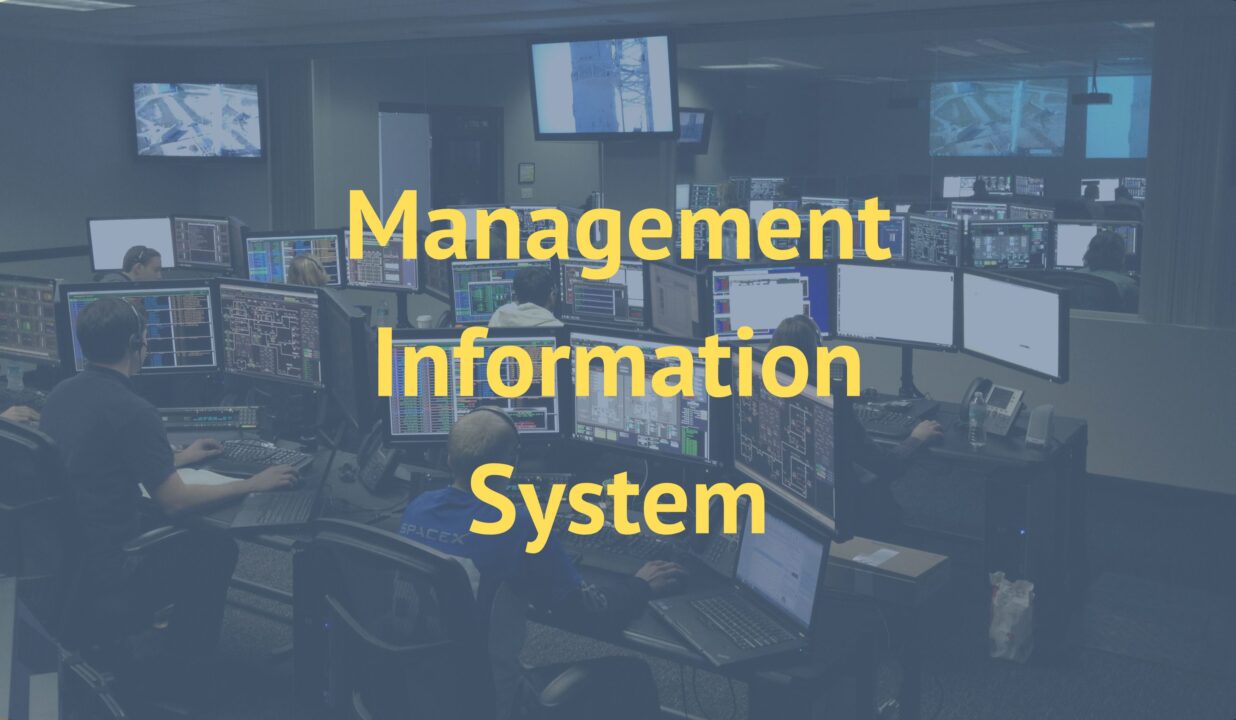
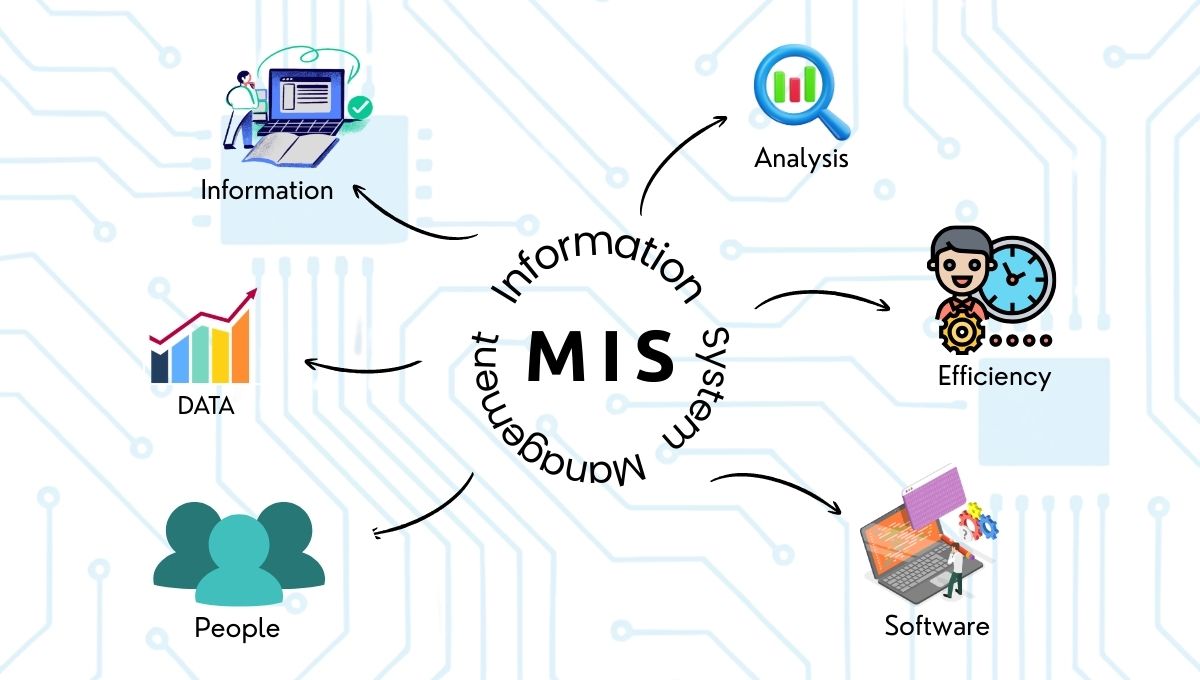
A MIS is a collection of technology, people, and processes that manage all the information within an organization. It gathers data from various departments and organizes it in a way that facilitates business decisions.
The real purpose of a MIS is to help managers make better decisions by providing them with the right information at the right time. It essentially acts as a bridge between business operations and information technology, so that there is no gap between the two.
Simply put, a management information system is a system that transforms raw business data into actionable reports that help companies understand market trends, improve operations, and plan for the future.
Why Management Information System Are Important
Modern businesses depend on fast and reliable information. Management information system ensure that companies can access the right data at the right time.
With these systems, the daily monotonous tasks of the office become automated, as a result, the chances of human error are reduced and the work is done much faster.
When a company uses a management information system, managers can easily understand where everything is going well and where there are shortcomings by looking at the work reports.
Another major advantage of a Management Information System is that communication between different departments becomes much easier.
When all teams can share the same data or information, they can work together. As a result, not only is the solution to any problem faster, but it also becomes much easier to make the right decisions.
Key Components of Management Information System
To fully understand management information system, it is essential to know the core components that make these systems work effectively.
1. Hardware
Hardware includes computers, servers, and networking devices used to store and process information within management information systems.
2. Software
Software applications analyze and manage data within the management information systems environment.
3. Data
Data is the most valuable asset. Management information system transform raw data into useful business insights.
4. Procedures
Procedures define how information flows through management information system and how employees use the data.
5. People
Employees, managers, and IT professionals are responsible for operating and maintaining management information system.
Types of Management Information System
Organizations use different types of management information system depending on their operational needs.
Transaction Processing Systems (TPS)
These systems record daily transactions such as sales, payments, and inventory updates.
Decision Support Systems (DSS)
These systems analyze large datasets and help managers make strategic decisions.
Executive Information Systems (EIS)
These systems provide high-level reports that executives use to monitor business performance.
Enterprise Resource Planning (ERP)
ERP systems integrate multiple business functions such as finance, HR, and supply chain into one centralized management information systems platform.
Real-World Applications of Management Information Systems
In the real world, management information system support various industries including healthcare, finance, education, and retail.
Retail companies use management information system to track their inventory and what customers are looking for. This helps them understand how much stock they have and predict what will be in demand in the future.
Banks now rely entirely on ‘management information system’ to securely process transactions and monitor customer accounts. Not only that, these systems also help immensely in detecting fraud and managing any risks.
Hospitals now use management information system to store all patient records, schedule appointments, and manage medical data with utmost precision.
Education and Career Opportunities
Those with a passion for both technology and business management often study ‘Management Information Systems’ (MIS) these days. This degree combines the technical knowledge of computer science with various business techniques.
Major universities around the world now offer a Master’s degree in Management Information System. This course prepares students to work in senior positions or leadership roles in fields such as information technology and business analytics.
Those who study Management Information System (MIS) typically have to learn topics such as database management, information security, business analytics, and enterprise software systems.
Many universities now provide PDF notes and resources on topics like Management Information System (MIS). Reading these not only clears up the theoretical concepts, but also helps you understand how they are used in real-world situations.
Career Paths in Management Information Systems
The demand for professionals in management information systems continues to grow as businesses rely more on digital technologies.
Some common Management Information Systems jobs include:
- IT Manager
- Systems Analyst
- Business Intelligence Analyst
- Database Administrator
- Information Systems Manager
These professionals help organizations manage technology infrastructure and ensure that business data is used effectively.
Management Information Systems Salary Potential
One of the reasons many students choose management information systems as a career field is the attractive earning potential.
Your salary in Management Information Systems (MIS) depends on your experience, location, and the role you are working in. Those who join as a complete newcomer start out with a pretty good salary, while those with more experience or those at the IT manager level earn a hefty salary.
In many foreign countries, those working in Management Information Systems (MIS) earn more than the technology industry. Companies are now looking for professionals who understand the technical details and can also understand the business side of things.
Here’s showing the salary potential in Management Information Systems (MIS) across different roles and experience levels (India + global benchmarks).
| Role / Level | Experience | Salary (India) | Salary (Global) | Growth Potential |
|---|---|---|---|---|
| MIS Executive / Fresher | 0–2 Years | ₹1.2L – ₹4L/year | $50K – $70K/year | Entry-level, basic reporting |
| MIS Analyst | 1–5 Years | ₹2.1L – ₹7L/year | $70K – $95K/year | Strong demand, data-focused |
| MIS Specialist | 2–6 Years | ₹2.4L – ₹8.2L/year | $80K – $110K/year | Advanced tools & automation |
| Business Analyst (MIS) | 3–7 Years | ₹5L – ₹12L/year | $75K – $100K/year | High growth, strategic role |
| MIS Manager | 5–12 Years | ₹2.5L – ₹18L/year | $95K – $140K+/year | Leadership & decision-making |
| IT Project Manager | 7–15 Years | ₹10L – ₹25L+/year | $100K – $150K+/year | Top-tier growth |
| Information Systems Director | 10+ Years | ₹25L – ₹50L+/year | $120K – $180K+ | Executive level |
Key Salary Insights
- In India, most MIS professionals earn around ₹20K–₹30K/month at entry level
- Typical MIS salaries range between ₹1.2L to ₹6L annually depending on experience
- Specialized roles like MIS Analyst or Manager can reach ₹7L–₹18L+ per year
- Globally, MIS salaries average around $70K–$130K/year, with senior roles exceeding $140K+
Reference: AmbitionBox, Glassdoor…
Challenges in Management Information System
Despite the benefits, implementing management information systems also comes with challenges.
To run any system properly, organizations should invest in good infrastructure and skilled people. If employees are not given proper training, they will struggle to work with this technology and nothing will get done.
Another major concern is cybersecurity. Since management information systems store all the business’s important and confidential information, companies must implement strict security measures to protect that information.
Future of Management Information Systems
The future of management information systems is closely connected with emerging technologies such as artificial intelligence, big data, and cloud computing.
Today’s companies are moving their management systems to the cloud to gain more flexibility in operations and reduce the overhead costs of infrastructure.
Artificial Intelligence (AI) is changing the entire face of management information systems. The ability to predict outcomes in advance and make decisions on your own has made things much easier. As a result, business operations will be faster and the chances of errors will be reduced to a minimum.
Frequently Asked Questions (FAQs)
1. What is the main purpose of management information systems?
The main purpose of management information systems is to collect, process, and analyze business data so managers can make informed decisions and improve organizational performance.
2. Is management information systems a good career?
Yes, management information systems is considered a strong career path because it combines technology and business skills. Professionals in this field often enjoy high demand and competitive salaries.
3. What skills are required for management information systems?
Key skills include data analysis, database management, business strategy, problem-solving, and understanding information technology systems.
4. How long does it take to complete a management information systems degree?
Most undergraduate Management information Systems degree programs take about three to four years to complete, while a Management Information Systems master’s program usually takes one to two years.
5. Are management information systems important for businesses?
Yes, management information systems are essential for modern organizations because they help manage data efficiently and support strategic decision-making.
Conclusion
In today’s era of digital economy, ‘Management Information System’ is very important for any organization or company to run smoothly. Those who know how to use this system can easily manage business information and also make the right decisions. They are one step ahead of other companies because all their planning is done by looking at the data and the work is done very quickly.
If you are thinking of studying Management Information Systems (MIS) as a student, or looking for a job in this line as a professional, then know that there are vast opportunities to build a career and do something new in this field.
As technology advances, the importance of MIS will increase. It is now one of the most valuable and necessary subjects in the world of business and technology.