Discover the best computer programming languages for beginners with simple explanations, real examples, and expert insights. Learn the easiest coding language to start, explore types of programming languages, and begin your coding journey today.
The Complete Starter Guide
Nowadays, learning programming is like learning an international language. Because now no industry can run without technology. If you can understand programming languages from scratch, then a thousand new career paths will open up in front of you and you will be able to create something new in the digital world.
Most beginners are completely overwhelmed when they first start learning coding. In fact, there are hundreds of programming languages on the market, each designed for a specific purpose—such as building websites, artificial intelligence (AI), mobile apps, or software engineering.
This guide explains programming in such a simple and practical way that even someone who has never known the basics of coding will be able to grasp it very easily.
What Are Computer Programming Languages?

Computer programming languages are a structured way of giving instructions to a computer. They allow developers to write commands that the computer can easily understand and act upon.
Without Computer programming languages, computers would only understand binary code of 0 and 1. This programming language is what converts what we humans say or give instructions into commands that the computer can understand.
Those who are thinking of learning new computer programming, they need to understand one thing clearly – coding is not about memorizing heaps of syntax. The real work is solving any problem by applying logic.
Computer programming languages is the real art of creating software, websites, mobile apps, games—even data analysis systems.
Why Beginners Should Learn Programming

Learning to code is not just about absorbing some technical knowledge. It increases your ability to think logically, gives you the intelligence to create something new, and teaches you the real way to solve any difficult problem.
Those who start learning computer programming from scratch quickly find job opportunities in major fields like software development, automation, cybersecurity, and data science.
Tech companies are always looking for talented programmers, making coding one of the most valuable and employable skills in today’s digital age.
Types of Computer Languages With Examples
Computer programming languages are usually categorized based on their structure and functionality.
1. High-Level Languages
- These languages are easy for us to read or code because they hide the complex mechanics of the machine behind the scenes.
- Examples include Python, Java, JavaScript, and C++.
- These ‘high-level’ languages are the best for beginners because they are very simple to write and come with all the necessary ready-made libraries.
2. Low-Level Languages
- Low-level languages interact directly with computer hardware.
- Examples include Assembly language and Machine code.
- Although powerful, they are harder to learn and rarely recommended for beginners.
3. Scripting Languages
- Scripting languages automate tasks and control software applications.
- Examples include JavaScript, Python, and PHP.
- These languages are widely used in web development and automation.
For example, once you understand computer languages or these programming languages, it is very beneficial for beginners—they can easily decide which path is best for them.
Easiest Coding Language to Learn First
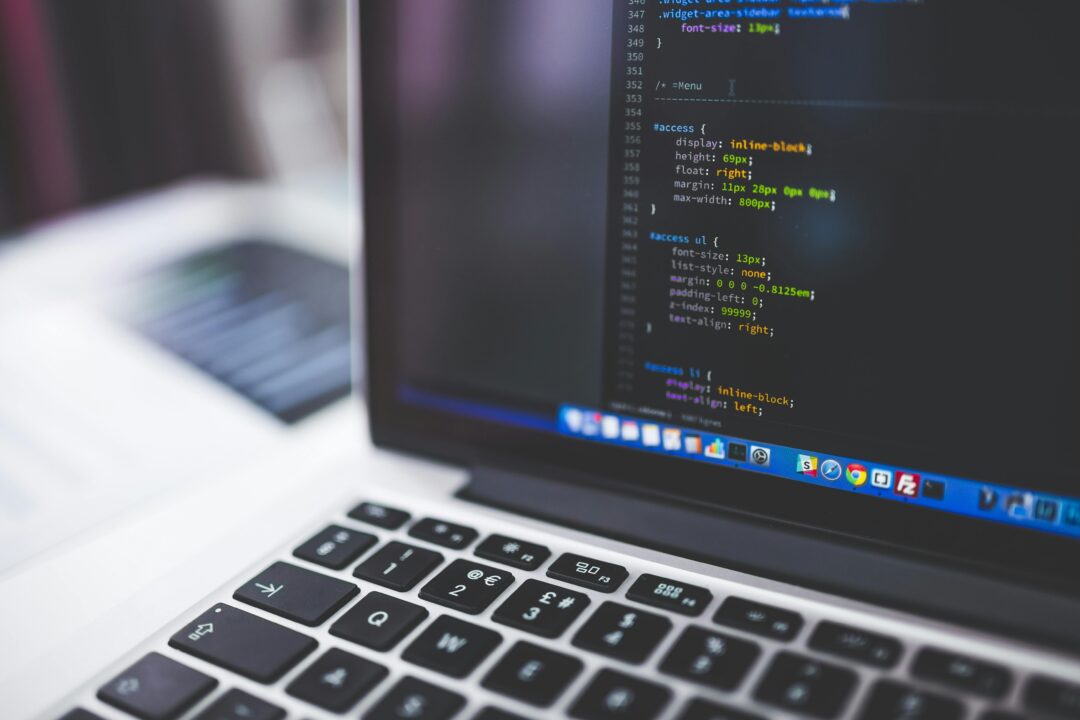
Newbies often ask a question—’Which is the easiest Computer programming languages to start with?‘ Based on our practical experience and the opinions of industry experts, Python is the easiest and most accessible language to learn.
Python’s syntax is so simple that it feels like you’re reading English sentences. This makes it much easier to grasp the real logic of programming.
For example:
Print(“Hello World”)
With just one line of code, beginners can display output on the screen.
JavaScript and Scratch are also great for beginners. Starting with these coding languages makes it easy to understand the real brain-teasing aspects of programming, without having to get bogged down in complicated code.
💻 Cloud Engineer Roadmap: The Ultimate Proven Guide (Step-by-Step Blueprint for Beginners & Pros)
Popular Computer Programming Languages Examples
Seeing real examples of Computer programming languages for beginners helps to understand how coding actually works in real life.
Here are some widely used languages and their purposes:
- Python – Data science, automation, AI development
- JavaScript – Web development and interactive websites
- Java – Enterprise applications and Android development
- C++ – Game development and system software
- Swift – iOS mobile applications
These languages dominate the global software industry and are excellent starting points for beginners.
All Programming Languages List (Common Ones)
Although there are hundreds of computer programming languages in the world, beginners don’t need to worry about them. Just focusing on a few main languages at the beginning will help you.
A simplified all programming languages list commonly used in development includes:
- Python
- JavaScript
- Java
- C
- C++
- C#
- Go
- Ruby
- Swift
- Kotlin
- PHP
- Rust
Each language is designed for specific tasks. Beginners should start with one language and gradually expand their knowledge.
Best Computer Programming Languages for Software Engineer
For those looking to become new developers, the best programming language for a software engineering career depends entirely on the industry you want to work in.
Python is now ruling the world of data science and machine learning. Java is still a force to be reckoned with for handling software and systems for large companies. And JavaScript? Without it, it is impossible to imagine building a website or an internet app today.
Software engineers usually learn multiple languages because each project requires different tools.
For those who are just starting out in coding, if they master a few Computer programming languages, they will have a solid foundation for advanced software development.
Hardest Programming Language to Learn
While some languages are as easy as pie to learn, others are mind-bogglingly difficult.
When it comes to the most dangerous or difficult programming languages to learn, the names of Assembly, Malbolge, and Haskell will come to mind. Their strange syntax and over-the-top concepts can be daunting to learn.
These languages require strong mathematical thinking and deep understanding of computer architecture.
It is better not to start with these languages for those who are new to learning—because they cause unnecessary headaches in the beginning and kill the interest in learning.
How Beginners Can Start Learning Programming
Learning a computer programming language becomes much easier for beginners if they can follow a structured set of rules or steps from the beginning.
Choose an easy language like Python or JavaScript to start with. Don’t get overwhelmed by learning a bunch of languages at the very beginning—focus on one.
Second, practice writing small programs regularly. Making simple projects like a calculator or a to-do list app will help you get your programming logic firmly ingrained.
Third, emphasize watching tutorials, practicing on coding platforms, and delving into official documentation to further solidify your understanding.
Many newbies these days search the internet for Programming Languages for Beginners PDF guides, where the intricacies of coding are explained in a very simple way and with hands-on examples.
Common Mistakes Beginners Should Avoid
Most newbies lose their minds because they only study theory all day long and don’t put it into practice.
The real way to learn programming for beginners is to code regularly. If you learn programming by just reading books or watching videos without writing code, you will not get any results, on the contrary, your learning speed will be completely reduced.
Another big mistake is comparing your progress with those who have been working for a long time. Brother, to become a master in programming, you have to put in time and try new things again and again.
Focus on learning logic rather than memorizing syntax.
Future Opportunities in Programming
These days, knowing how to program is not just confined to the IT sector; it has now become a must in everything from finance, healthcare, education to artificial intelligence.
Understanding computer programming languages for beginners can lead to careers like:
- Software Developer
- Web Developer
- Data Analyst
- Mobile App Developer
- Machine Learning Engineer
Technology continues evolving rapidly, and programmers remain at the center of digital innovation.
Conclusion
Learning computer programming is one of the most valuable skills today. If you know programming, you can build your own technology, automate to reduce labor, and find solutions to any difficult problem.
Beginners should start with the simplest languages, practice regularly, and gradually work their way up to the more difficult ones. With a little patience and a willingness to learn, coding can become a fun and rewarding experience rather than just a headache.
The key step is to begin your learning journey today without delay.
FAQs
1. Which coding language is most suitable for people who are new to programming?
Python is widely considered the best language for beginners because of its simple syntax and versatility. It is used in web development, automation, artificial intelligence, and data science.
2. Approximately how long does it take to understand the fundamentals of programming?
Most beginners understand basic programming concepts within three to six months. However, becoming proficient requires continuous learning and practical experience.
3. Can I learn programming without a computer science degree?
Yes. Many professional developers are self-taught. Online tutorials, practice projects, and coding platforms make it possible to learn programming independently.
4. Should beginners learn multiple languages?
No. Beginners should first master one language before exploring others. Understanding core programming logic makes learning additional languages much easier.
5. Are programming languages difficult to learn?
Programming may feel challenging initially, but with consistent practice and the right learning resources, it becomes easier over time.