
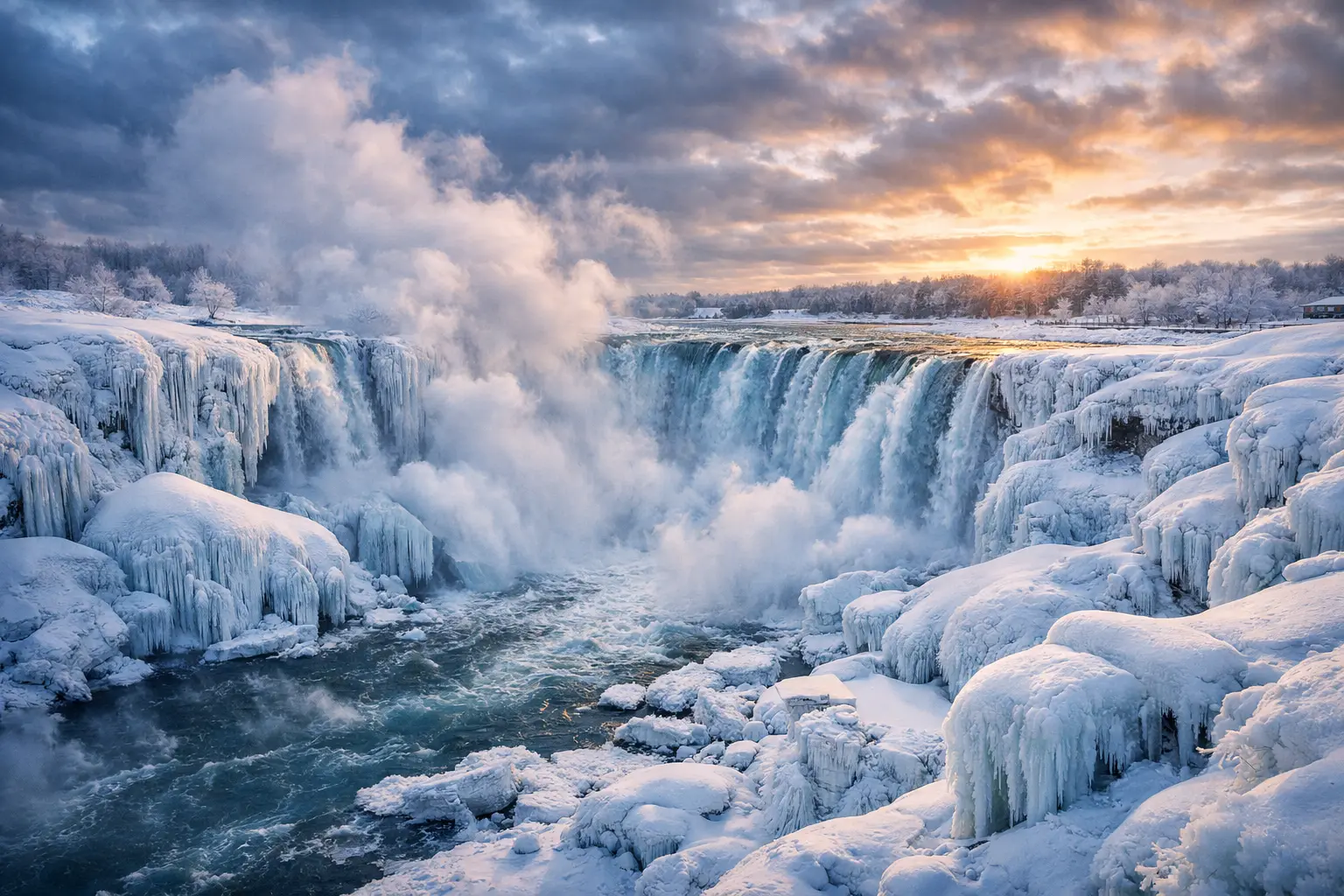
Confused about niagara falls frozen and when to visit? Learn the science, safety facts, best viewpoints, and travel timing to plan smarter, avoid risks, and experience the most breathtaking winter scenery with confidence.
Niagara Falls Frozen: Science, Travel Reality & Complete Winter Visitor Guide
Winter transforms Niagara into one of the most surreal natural spectacles on Earth. When temperatures drop extremely low, the powerful waterfalls appear frozen, creating a dreamlike icy landscape that attracts photographers, scientists, and travelers worldwide.
The phenomenon called niagara falls frozen is not actually a complete stoppage of water flow but a surface transformation. Ice builds on top while massive volumes continue moving beneath, making it both fascinating and dangerous.
What Happens When Niagara Falls Frozen?
The appearance of niagara falls frozen happens due to intense winter temperatures and mist. Water splashes constantly and freezes layer by layer, forming thick ice sheets that create a solid-looking structure over the flowing waterfall.
Even during freezing periods, more than 3,000 tons of water flow every second underneath the icy surface. This makes the frozen appearance visually dramatic but scientifically misleading, as the falls remain active below the ice formation.
The Science Behind the Frozen Formation
Cold air meets continuous water spray, producing ice crystals that attach to rocks, railings, and cliffs. Over time, these frozen layers expand, forming an ice bridge and icy domes that reshape the entire waterfall environment.
The process involves thermodynamics, heat exchange, and continuous mist exposure. Water retains motion because the flow speed and volume prevent full freezing, ensuring the falls never become completely solid, even in extreme winter conditions.
When Does Niagara Falls Freeze?
The niagara falls frozen effect usually appears between late December and February when temperatures remain below freezing for several consecutive days. Severe cold waves and wind chill accelerate ice buildup and intensify the frozen visual impact.
Some of the most dramatic freezing events occurred during polar vortex years, when ice formations reached extraordinary heights. Travelers planning winter visits should monitor weather forecasts to experience peak icy scenery safely.
History of Niagara Falls Frozen
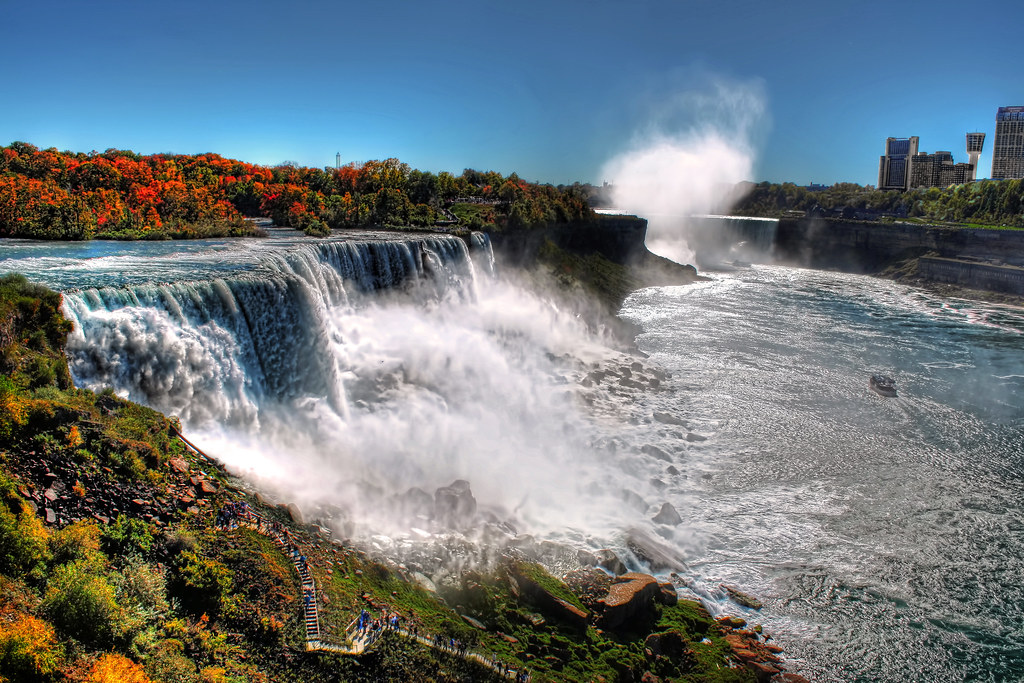
Historical records show partial freezing has occurred many times, but full stoppage is rare. In 1848, ice blockage temporarily reduced water flow, creating a historic moment when people even walked across exposed river sections.
Since then, engineering controls and climate variations have prevented similar events. Today, niagara falls frozen remains a surface spectacle rather than a complete shutdown, preserving both safety and ecological balance.
Why Travelers Want to See Frozen Niagara Falls
Winter visitors are drawn to the magical transformation and photography opportunities. Ice textures, fog, and snow-covered landscapes create a cinematic environment unlike summer views, making it one of the most searched winter travel experiences globally.
Reasons travelers visit during winter include:
- Unique frozen landscapes and photo opportunities
- Fewer crowds compared to peak summer season
- Lower hotel prices in off-season months
- Snow activities and winter festivals nearby
- Chance to witness rare natural ice formations
✅ 11 Stunning Facts About Manjhar Kund Waterfall Bihar Every Traveler Must Know
Best Viewpoints to Experience the Frozen Falls
Certain observation points provide safer and more dramatic views during winter. Visitors should always stay within marked areas because icy surfaces can be slippery and dangerous due to hidden water movement below frozen layers.
Top viewpoints for winter travelers include:
- Table Rock Welcome Centre observation decks
- Journey Behind the Falls winter experience
- Skylon Tower panoramic viewing platform
- Niagara Parkway scenic walking routes
- American Falls viewing areas for wide perspectives
Safety Facts Travelers Must Know
The beauty of niagara falls frozen also comes with serious risks. Ice structures are unstable, and mist can freeze instantly on pathways, creating hazardous conditions for visitors unfamiliar with winter travel environments.
Important safety precautions:
- Wear thermal clothing and waterproof boots
- Avoid walking on frozen river sections
- Follow official safety barriers and signs
- Check weather alerts before visiting
- Travel during daylight for better visibility
Climate Change and the Frozen Phenomenon
Climate change influences how often Niagara appears frozen. Warmer winters reduce ice buildup frequency, making extreme freezing events rarer compared to historical records documented in earlier decades.
Researchers monitor temperature trends, water flow patterns, and ice formation to understand long-term environmental changes. This helps authorities manage tourism, safety, and ecosystem protection during harsh winter conditions.
Photography Tips for Capturing Frozen Niagara
Photographers visit globally to capture niagra falls frozen because it offers rare textures and lighting opportunities. Mist, snow, and ice reflections create dramatic compositions that differ completely from summer waterfall photography scenes.
Best photography practices include:
- Use weather-sealed cameras and lenses
- Shoot during sunrise or golden hour
- Capture mist and ice details in close frames
- Carry extra batteries for cold weather
- Use tripods for stability on icy ground
Travel Planning Guide for Winter Visitors
Planning a winter visit requires preparation and awareness. Travel conditions, accommodation choices, and accessibility change during extreme cold, making it essential to organize logistics before reaching the destination.
Key planning essentials:
- Book hotels near observation areas
- Carry thermal layers and hand warmers
- Check attraction operating hours
- Keep emergency contacts and maps ready
- Use guided tours for safer exploration
Myths vs Reality of Frozen Niagara
Many travelers believe the waterfall completely freezes into solid ice, but this is scientifically incorrect. The niagra falls frozen effect is mainly visual, with flowing water hidden beneath thick ice formations.
Common misconceptions include:
- Water stops flowing completely
- Ice is safe to walk on
- Frozen falls last entire winter
- Temperature alone causes freezing
- All viewing areas remain open always
Economic Impact of Winter Tourism
Winter tourism supports local businesses, hotels, and tour operators. The frozen spectacle attracts international visitors, photographers, and content creators, boosting seasonal travel demand during traditionally quieter tourism months.
Local communities benefit through increased bookings, winter festivals, and guided experiences. This seasonal attraction helps balance tourism across the year rather than relying only on summer peak visitation.
Emotional Experience of Seeing Frozen Niagara
Witnessing the frozen falls creates a mix of wonder and humility. The massive ice structures remind travelers of nature’s power, fragility, and beauty, making it a memorable lifetime experience for first-time winter visitors.
Travelers often describe the environment as peaceful, dramatic, and cinematic. The sound of flowing water beneath ice enhances the surreal atmosphere, making it feel like a natural winter monument shaped by weather and time.
FAQs
1. Does Niagara Falls completely freeze?
No, water continues flowing beneath the ice. The frozen appearance forms on the surface due to mist and cold temperatures.
2. When is the best time to see Niagara frozen?
January and February usually offer the highest chances, especially during prolonged freezing temperatures.
3. Is it safe to visit during winter?
Yes, if travelers follow safety guidelines, wear proper winter gear, and stay within official viewing areas.
4. Has Niagara ever fully stopped flowing?
A rare event occurred in 1848 due to ice blockage, but modern conditions and management prevent such occurrences today.
5. What temperature causes freezing effects?
Sustained temperatures below freezing with strong winds and mist exposure contribute to ice formation.
6. Are winter crowds smaller than summer?
Yes, winter generally has fewer tourists, making viewing more peaceful and accommodation prices more affordable.
7. Can tourists walk on the frozen river?
No, this is dangerous and illegal in most areas due to unstable ice and strong water flow underneath.
8. Is winter photography better than summer?
Winter offers unique ice textures and lighting conditions, making it ideal for creative photography enthusiasts.
9. Are all attractions open during winter?
Some operate on limited schedules, so checking official websites before visiting is recommended.
10. Why is the frozen Niagara experience trending online?
It combines rare natural visuals, extreme weather fascination, and high visual appeal for travel storytelling and photography.
Final Content Value
This guide explains the science, travel reality, safety, and emotional experience behind niagra falls frozen. Travelers gain practical insights, seasonal planning tips, and photography ideas, making this resource informative, actionable, and valuable for winter exploration.











2 thoughts on “9 Powerful Truths Behind Niagara Falls Frozen, Hidden Risks & Magical Winter Beauty You Must Know!”