
Confused about choosing the right path in Information Technology India and unsure about careers, courses, or salary growth? This guide solves your doubts with clear explanations, real-world insights, and practical advice — plus expert tips, pros & cons, and valuable FAQs to help you make confident decisions.
Introduction: Why Information Technology India Matters More Than Ever
In the current era, information technology is no longer limited to coding. Today, it has become the heart of business, education, healthcare, travel, finance and even entertainment. From online banking to airline tickets, IT systems now silently bring power to everything.
If you’ve ever wondered “What is information technology?” or wondered how IT professionals build mobile apps and help secure them, this description will give you a clear, practical, and credible idea based on real-world experience.
What is Information Technology?
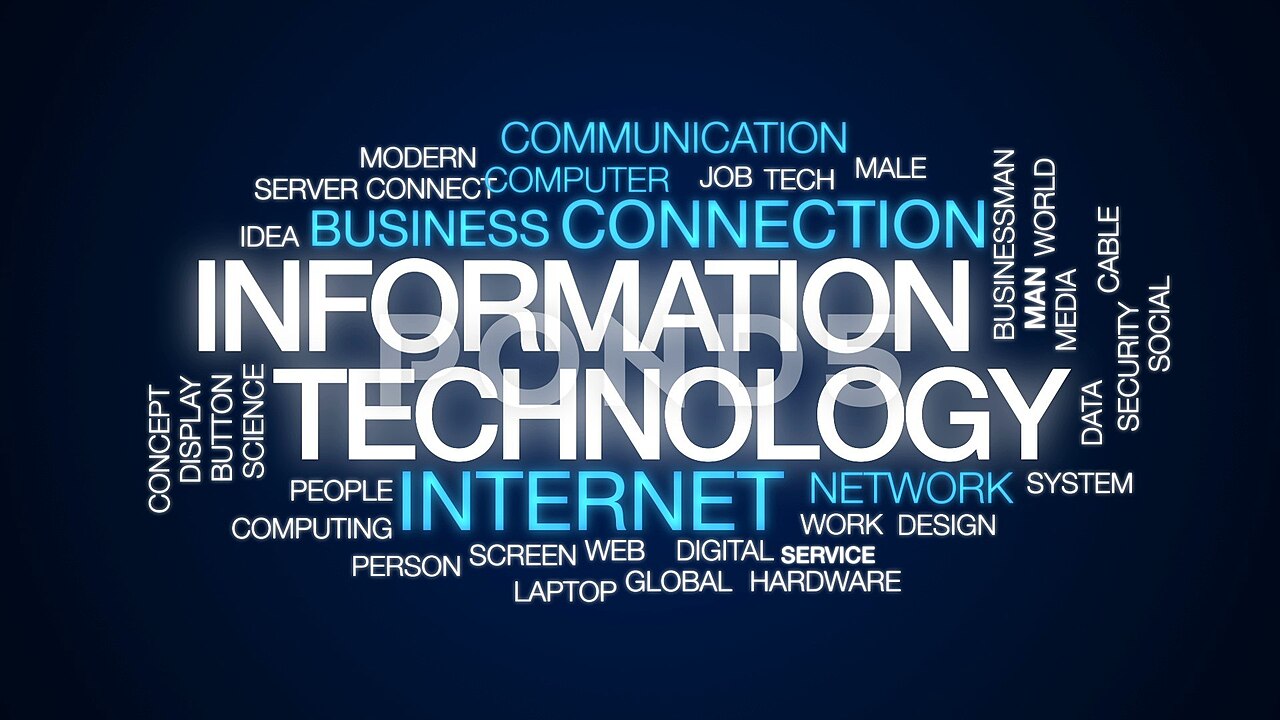
IT refers to the use of computers, networks, software, and digital systems to store, process, secure, and manage information. It combines hardware, software, databases, and cybersecurity practices to solve business and personal problems efficiently.
In simple terms, information technology helps people work smarter, communicate faster, and manage data securely in digital form.
It is not just one job. It is an entire ecosystem of roles, skills, tools, and innovations working together.
What Exactly is an IT Job?
Many students ask, “What exactly is an IT job?”
An IT job involves working with technology systems to build, maintain, support, or secure digital infrastructure. These roles can be technical, analytical, or managerial depending on specialization.
Common responsibilities include:
- Developing software and applications
- Managing company networks
- Protecting systems from cyber threats
- Maintaining databases
- Providing technical support
Information Technology India jobs exist in almost every industry today, making this field stable and future-proof.
What Are Three Examples of IT?
If you’re wondering, “What are three examples of IT?”, here’s a clear explanation:
- Software Development – Building websites, mobile apps, and enterprise tools.
- Cybersecurity – Safeguarding computer systems and networks from cyberattacks and unauthorized data access.
- Cloud Computing – Managing online servers and data storage platforms.
These areas represent core branches of information technology that continue to grow rapidly worldwide.
Which Course is Best for Information Technology?
Many students frequently wonder, “Which course is the most suitable for pursuing Information Technology?”
The answer depends on career goals, but here are strong options:
- Bachelor of Information Technology (BSc IT)
- B.Tech in IT
- Diploma in Information Technology
- Certifications like AWS, Google Cloud, or Cybersecurity
For school students, Information Technology Class 9 and Information Technology Class 10 subjects introduce basic programming, digital literacy, and practical skills. These early foundations build confidence in technical thinking.
A good Information Technology India course should include programming languages, networking basics, database management, and cybersecurity principles.
Importance of Information Technology Education in India
Modern schools now include Information Technology India English textbooks and practical labs. An Information Technology book at school level teaches fundamental computer concepts, internet usage, and basic coding.
Students preparing for exams often search for Information technology notes to simplify complex topics. Structured notes improve understanding and help build long-term technical confidence.
Early exposure through Information Technology Class 9 and Information Technology Class 10 builds problem-solving skills that are useful in any career.
Information Technology Salary in India: How Much Can You Earn?
One of the most searched questions is about Information Technology India salary, especially for students planning careers in India. Salaries vary based on skills, experience, location, and company size, but the growth potential is strong.
Here is a realistic breakdown in Indian Rupees (₹):
Entry-Level (0–2 years experience)
Freshers in Information Technology India jobs typically earn between ₹2.5 lakh to ₹5 lakh per year. Roles like IT support executive, junior developer, or system administrator fall in this range.
Mid-Level (3–6 years experience)
Software developers, cybersecurity analysts, and network engineers usually earn between ₹6 lakh to ₹12 lakh per year, depending on technical expertise and certifications.
Senior-Level (7+ years experience)
Experienced cloud architects, DevOps engineers, IT project managers, and senior developers can earn ₹15 lakh to ₹30 lakh per year or more, especially in metro cities like Bengaluru, Hyderabad, Pune, and Mumbai.
Top-Tier Companies & MNCs
Skilled professionals working in multinational companies or product-based firms may earn ₹35 lakh+ annually, particularly in AI, data science, and cloud computing domains.
Information Technology India continues to be one of the most financially rewarding sectors because digital transformation is accelerating across industries such as banking, healthcare, e-commerce, and government services.
Why Information Technology India is a Future-Proof Career
Technology continues evolving rapidly with artificial intelligence, automation, and big data. Businesses rely on Information Technology India to stay competitive and efficient.
Key growth drivers include:
- Digital transformation in companies
- Remote work technologies
- Cloud computing adoption
- Cybersecurity demand
- E-commerce expansion
This constant innovation ensures long-term demand for skilled IT professionals.
Advantages of Information Technology
Offers many benefits:
- High earning potential
- Global job opportunities
- Work-from-home flexibility
- Continuous learning and growth
- Opportunity to innovate
It allows professionals to work in startups, multinational companies, or even freelance independently.
Challenges in Information Technology
Despite its benefits, IT has challenges:
- Rapid technology changes require constant learning
- Long screen time can impact health
- High competition in certain domains
- Tight project deadlines
Understanding both positive and negative aspects helps students prepare realistically for a career in Information Technology India.
Essential Skills Required in Information Technology India
To succeed in information technology, technical skills alone are not enough.
You also need:
- Logical thinking
- Problem-solving ability
- Communication skills
- Team collaboration
- Adaptability
Combining technical knowledge with soft skills increases career growth opportunities.
Real-World Applications of Information Technology
You interact with IT daily without realizing it:
- Online banking transactions
- Booking travel tickets
- Video conferencing meetings
- Social media platforms
- E-learning systems
IT systems manage and secure your data every second, ensuring smooth digital experiences.
How to Start a Career in Information Technology
If you want to enter IT:
- Choose the right IT course.
- Build practical skills through projects.
- Learn programming languages like Python or Java.
- Get internships for real-world exposure.
- Keep updating your knowledge with certifications.
- Practical experience matters more than theory alone.
Frequently Asked Questions (FAQs)
1. What is Information Technology in simple words?
Information technology is the use of computers and software to store, manage, and protect digital information efficiently.
2. Is Information Technology India a good career?
Yes, information technology offers strong salary growth, global opportunities, and long-term job stability.
3. Which course is best after Class 10 for IT?
After Information Technology Class 10, students can pursue diploma programs or continue with science streams focusing on computer studies.
4. What skills are required for IT jobs?
Programming, networking basics, problem-solving, and communication skills are essential for Information Technology jobs.
5. Is coding mandatory in information technology?
Coding is important for many roles, but some IT positions focus more on networking, support, or cybersecurity management.
Final Thoughts
Information technology is not just a subject or career option; it is the digital engine of modern society. Whether you are a student exploring Information Technology English textbooks or a graduate aiming for high-paying Information Technology jobs, this field offers limitless potential.
With the right mindset, continuous learning, and practical exposure, information technology can transform your professional journey and open doors to global success.









1 thought on “Information Technology India 2026: The Ultimate Powerful Guide to Careers, Courses, Salary & Real-World Growth (Pros & Cons Explained)”