Discover Kiriburu Hilltop travel guide with routes, best time, theory behind its landscape, stay options, trekking tips, and hidden spots. Complete SEO-optimised guide for travelers planning an offbeat Jharkhand trip.
Introduction: Why Kiriburu Hilltop Is Emerging as India’s Hidden Travel Gem
Kiriburu Hilltop is one of the least explored highland destinations in eastern India, located in the Saranda forest region of Jharkhand. Its untouched landscapes, ecological importance, and scenic viewpoints make it a perfect place for nature lovers, trekkers, and slow travelers.
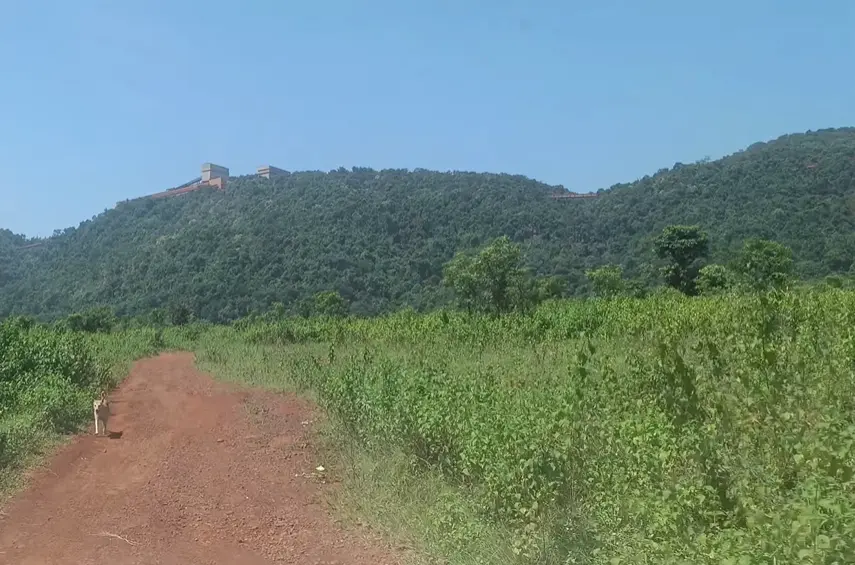
This destination stands apart from mainstream hill stations because it blends geology, forest biodiversity, tribal culture, and mining history into a single landscape. Travelers seeking peaceful hilltop experiences often prefer it over crowded mountain towns and commercial tourism hubs.
Where Is Kiriburu Hilltop Located
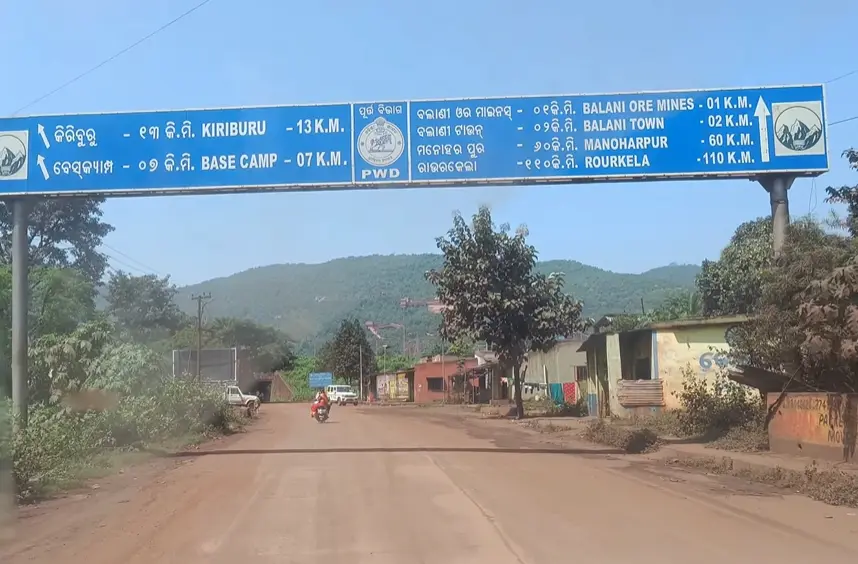
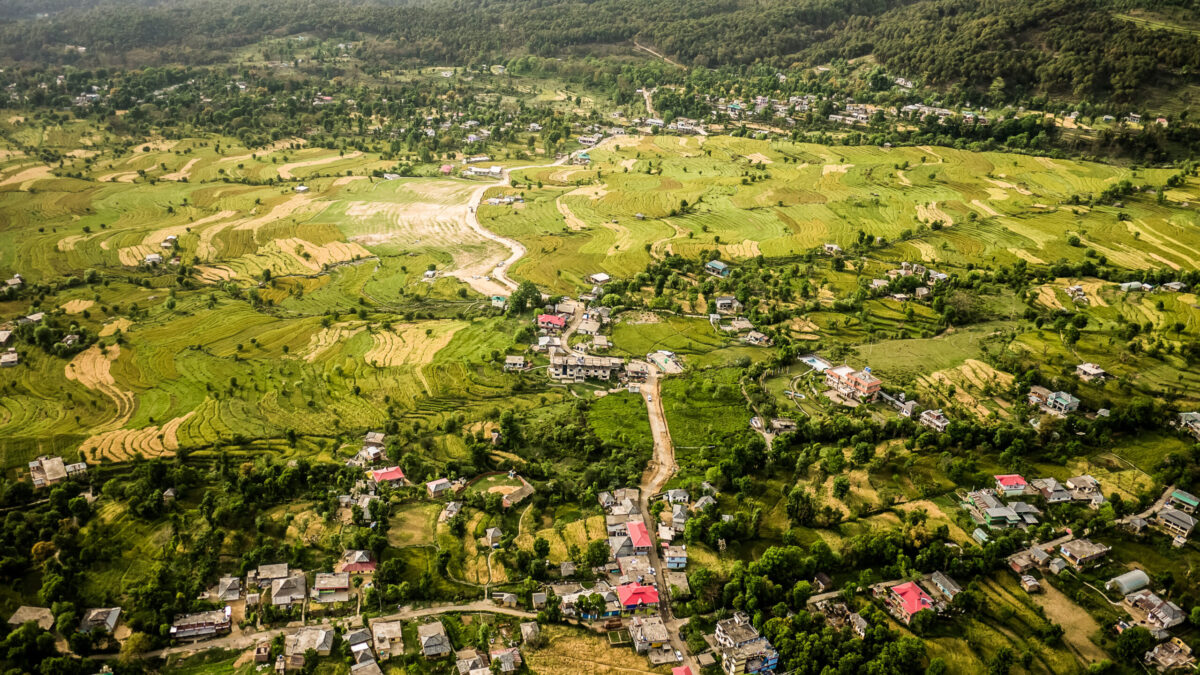
Kiriburu Hilltop lies on the Jharkhand–Odisha border in West Singhbhum district, surrounded by Saranda forest, considered Asia’s largest sal forest region. The area stands at a moderate elevation, offering panoramic valley views and refreshing climate conditions throughout the year.
Its geographical location places it within an ecologically rich zone, where iron ore deposits, dense forests, and tribal settlements coexist. This unique positioning gives the region both economic and environmental significance for eastern India.
The Landscape Theory: Why This Hilltop Looks So Unique
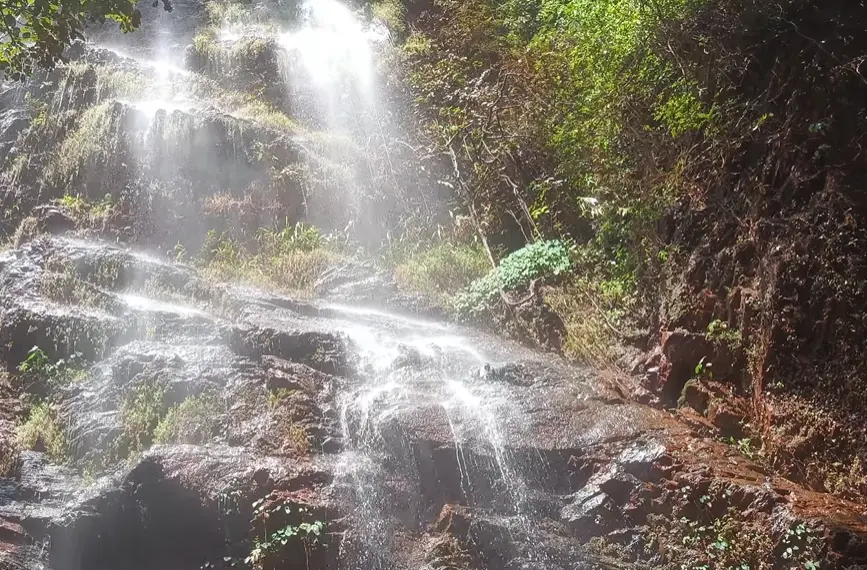
The formation of this hilltop region is linked to ancient geological processes involving mineral-rich plate formations and erosion over millions of years. Iron ore deposits shaped the terrain while forest growth preserved its natural ecological balance.
The theory of “plateau edge formation” explains the layered rock surfaces, rolling ridges, and steep slopes seen here. Over time, rainfall and vegetation stabilized the soil, creating a green highland zone that supports diverse plant and animal life.
✅ 11 Stunning Facts About Manjhar Kund Waterfall Bihar Every Traveler Must Know
✅ 9 Stunning Reasons Why Todey Tangta Khasmahal Is India’s Most Underrated Mountain Escape – Travel Before It Gets Crowded
Natural Attractions Around the Hilltop
Travelers often visit this area for scenic viewpoints and peaceful surroundings rather than commercial sightseeing. The charm lies in its raw nature, forest silence, and clean air.
Top experiences for visitors:
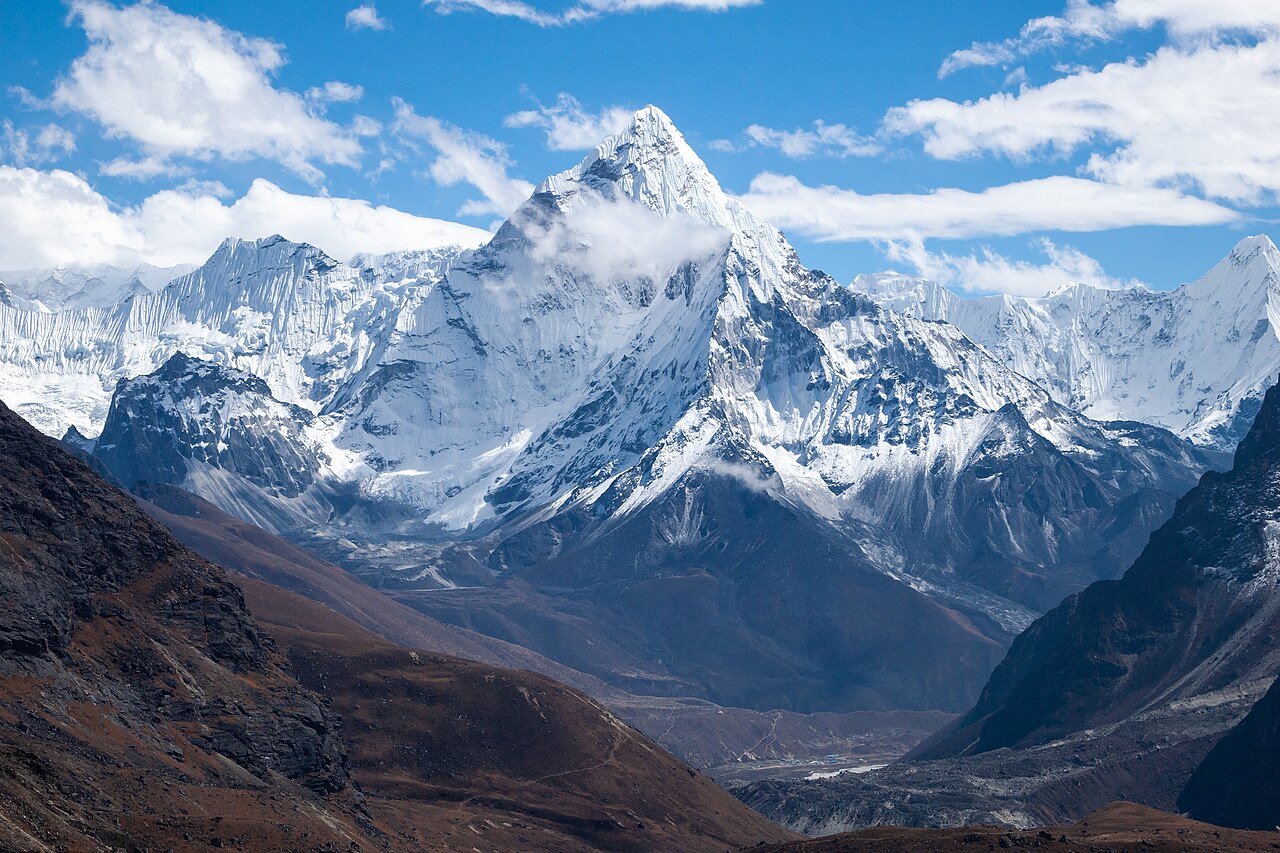
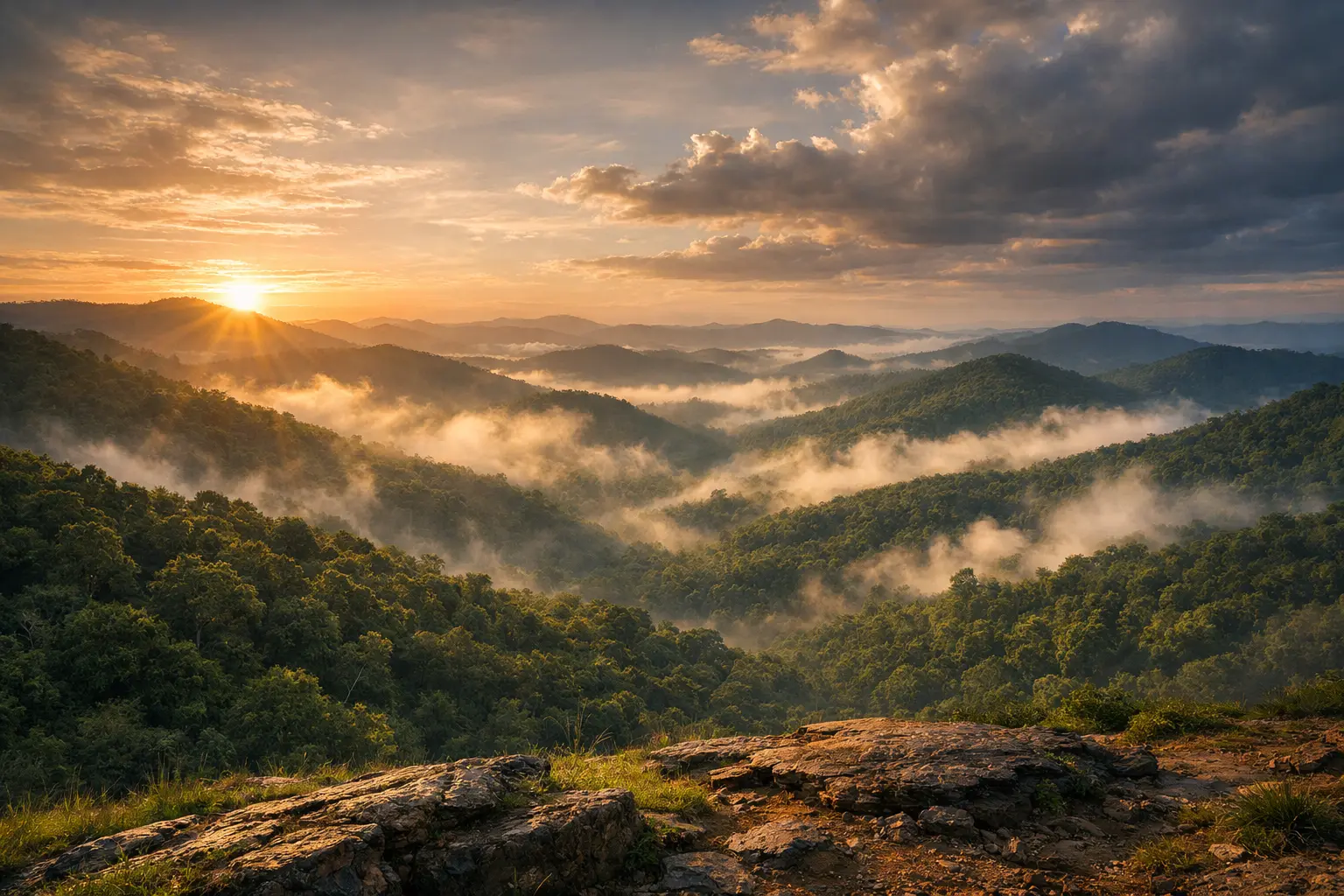
- Panoramic valley viewpoints during sunrise and sunset
- Dense Saranda sal forests for nature walks
- Birdwatching and wildlife spotting zones
- Mist-covered ridges during monsoon season
- Tribal village surroundings reflecting rural lifestyles
Each attraction offers immersive nature exposure, making it ideal for photographers and eco-travelers searching for untouched landscapes.
Cultural Significance and Tribal Connection
The region around Kiriburu Hilltop is home to tribal communities who depend on forests for livelihood, traditions, and spiritual practices. Their culture is deeply connected to land, seasonal cycles, and local biodiversity.
Festivals, traditional agriculture, and forest conservation practices reflect indigenous ecological knowledge. Responsible tourism here should respect community life and avoid disturbing natural and social balance in the region.
Best Time to Visit
Season plays a major role in shaping the experience of travelers exploring this hill region. Weather changes significantly, affecting visibility, trekking routes, and accessibility.
Ideal travel seasons:
- October to February: Pleasant climate, clear skies, best for photography
- March to May: Warm days but beautiful sunset views
- June to September: Lush greenery, misty hills, occasional travel challenges
Winter is generally preferred by most travelers for comfortable exploration and clear panoramic views.
How to Reach the Hilltop
Reaching this offbeat destination requires planning, as direct tourist infrastructure remains limited. However, connectivity through nearby towns makes travel manageable for independent explorers.
Travel routes:
- Nearest railhead: Barbil and Chakradharpur stations
- Road connectivity from Jamshedpur and Rourkela
- Local transport via shared vehicles and taxis
- Self-drive routes suitable for experienced drivers
The journey itself becomes part of the experience, passing through forests, hills, and rural landscapes.
Stay Options and Facilities
Tourism infrastructure is still developing, which helps preserve the authenticity of the area. Accommodation is basic but sufficient for travelers who prefer nature over luxury.
Available options:
- Government guesthouses
- Basic lodges in nearby towns
- Homestay-style local accommodations
- Forest rest houses with prior permission
Carrying essentials like food, medicine, and network backup ensures a smoother travel experience in remote conditions.
Activities for Travelers
This region attracts people who enjoy experiential travel rather than commercial sightseeing. Visitors can engage in slow exploration and nature-centric activities.
Things to do:
- Nature photography and landscape shooting
- Trekking through forest trails
- Village interaction and cultural observation
- Birdwatching and ecological exploration
- Sunrise and sunset viewpoint visits
Each activity offers a peaceful connection with nature, making the trip meaningful rather than rushed.
Travel Tips Every Visitor Should Know
Planning ahead improves safety and overall experience, especially in remote regions.
Essential travel advice:
- Carry offline maps and navigation tools
- Inform someone before entering forest routes
- Avoid littering and respect eco-sensitive areas
- Travel in daylight for safer road conditions
- Check local permissions for forest visits
Responsible travel helps protect the fragile ecosystem and supports sustainable tourism development.
Safety and Responsible Tourism
Travelers must understand that the region is ecologically sensitive and culturally significant. Responsible tourism ensures that nature and communities benefit rather than suffer from increased attention.
Avoid noise pollution, respect local traditions, and follow forest safety rules. Ethical travel builds trust between visitors and communities, ensuring long-term sustainability of tourism.
Future Tourism Potential
Experts believe that this highland zone could develop into an eco-tourism hub if managed carefully. Sustainable infrastructure, guided trekking, and community-based tourism could create employment while protecting biodiversity.
However, uncontrolled commercialization may damage forest ecosystems. Balanced development is essential to maintain the natural identity of the region while allowing travelers to explore responsibly.
Conclusion
Kiriburu Hilltop represents a rare combination of geological history, ecological richness, cultural heritage, and peaceful landscapes. It is ideal for travelers who seek meaningful journeys rather than crowded tourist attractions.
With careful planning and responsible exploration, this destination offers unforgettable natural experiences. As awareness grows, it may soon become a major offbeat travel highlight in eastern India.
FAQs
Where is Kiriburu Hilltop located?
It is situated in Jharkhand’s West Singhbhum district near the Odisha border, surrounded by Saranda forest and mineral-rich hill terrain.
What is the best time to visit?
October to February is ideal for pleasant weather and clear scenic views, while monsoon months offer lush greenery and mist-covered landscapes.
Is the place safe for tourists?
Yes, but travelers should follow forest safety rules, travel in groups if possible, and avoid remote routes after sunset.
How can I reach the hilltop easily?
Nearest rail stations include Barbil and Chakradharpur. From there, taxis or local vehicles connect travelers to the hill region.
Are there hotels available nearby?
Basic lodges, guesthouses, and forest rest houses are available. Advance planning is recommended due to limited accommodation options.
What activities can travelers do here?
Nature photography, trekking, birdwatching, cultural interaction, and scenic viewpoint visits are popular activities.
Why is the area famous among travelers?
It offers untouched forests, scenic hill views, and peaceful surroundings, making it perfect for offbeat travel experiences.
Is it suitable for family trips?
Yes, if planned properly with transportation, stay arrangements, and safety considerations.
Do I need permission to visit forest areas?
Certain zones may require local or forest department permission, especially for trekking and deeper exploration.
What makes this destination unique compared to other hill stations?
Its mix of geology, tribal culture, forest ecosystem, and low tourism makes it more authentic and less commercialized than popular hill stations.