
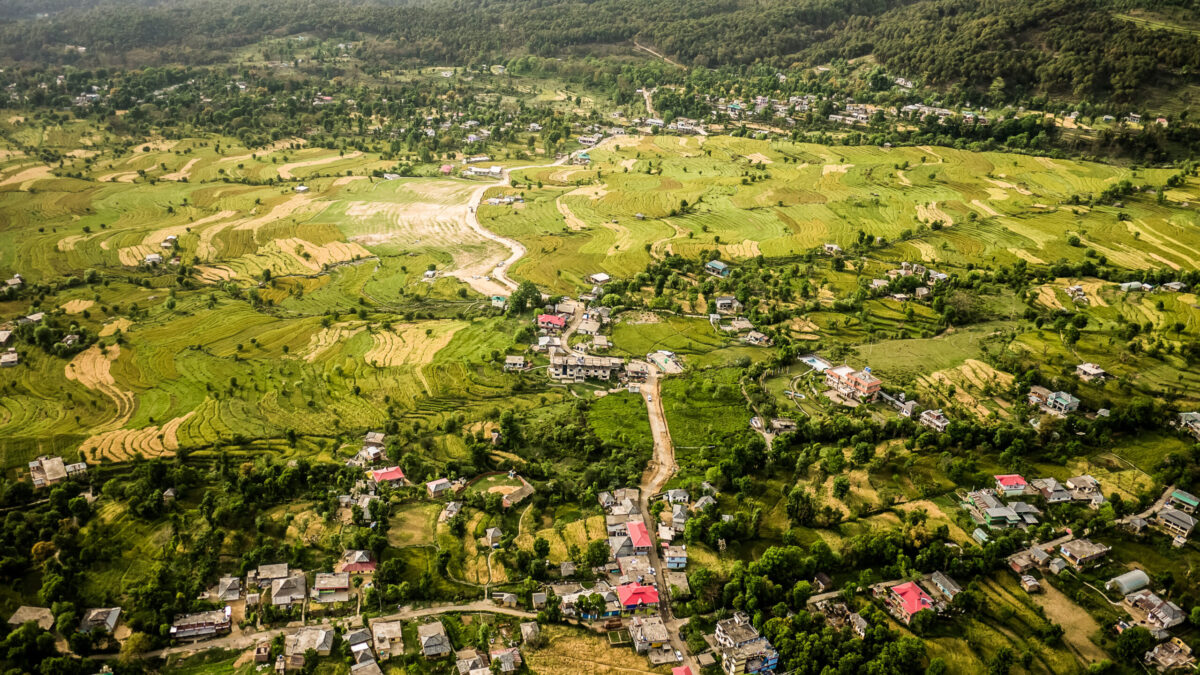
Confused about planning a peaceful Himachal trip? Discover kangra valley himachal pradesh hidden attractions, travel routes, toy train details, best seasons, and practical tips. This guide helps you explore smarter, save time, and experience authentic mountain culture.
Kangra Valley Himachal Pradesh – Complete Travel, Geography & Culture Guide
Kangra valley himachal pradesh is one of North India’s most scenic regions, known for tea gardens, temples, toy trains, and Himalayan views. Travelers visit for culture, slow travel, and peaceful landscapes away from crowded hill stations and tourist rush.
The valley stretches beneath the Dhauladhar mountains, offering a blend of spirituality, history, agriculture, and adventure. It attracts nature lovers, photographers, and families searching for calm travel experiences with authentic Himachali traditions and mountain lifestyles.
Kangra Valley Location and Geography
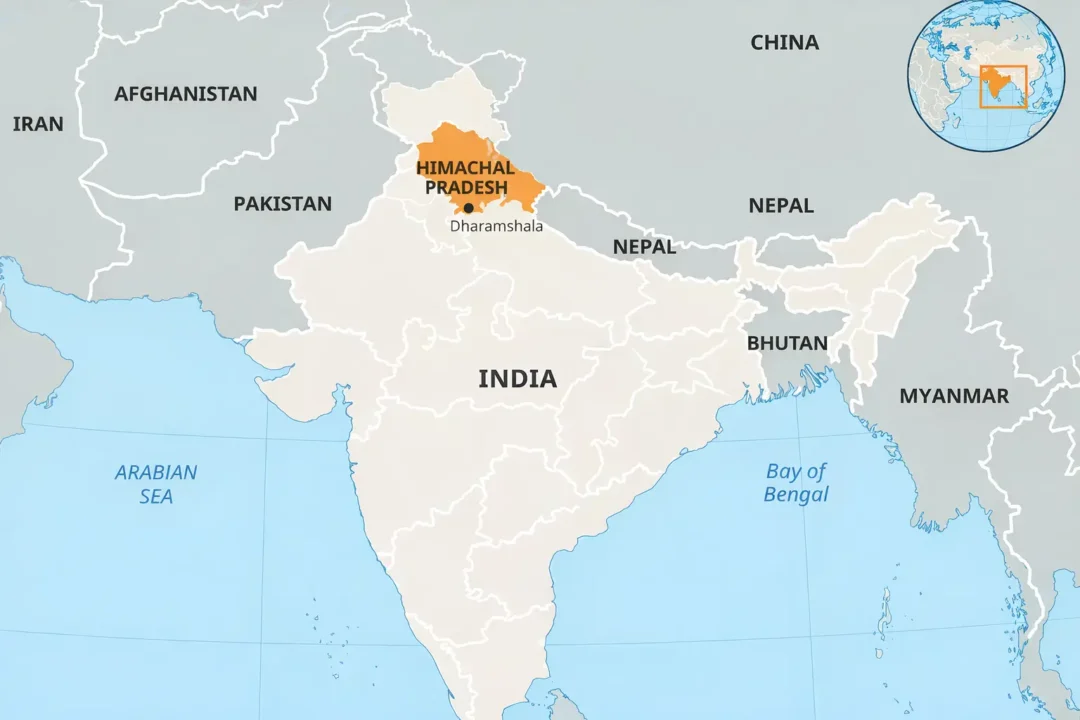
Kangra valley himachal pradesh lies in the northern part of Himachal Pradesh, surrounded by the Dhauladhar range. The valley’s fertile plains, river systems, and mild climate support tea cultivation, farming, and wildlife habitats throughout the region.
The geographical structure of the valley is formed by ancient tectonic activity and river erosion. These natural forces created rolling landscapes, forest belts, and scenic viewpoints, making the region visually unique compared with other Himalayan destinations.
Kangra Valley in Which State?
Many travelers search “kangra valley in which state,” especially while planning North India trips. The valley is located entirely within Himachal Pradesh and serves as one of its most culturally rich and historically significant regions.
It acts as a gateway to Dharamshala, Palampur, Baijnath, and other towns. These destinations collectively represent the cultural and spiritual identity of the western Himalayas and attract both domestic and international visitors.
Cultural Identity and Local Lifestyle
Kangra valley himachal pradesh is famous for temples, folk traditions, handicrafts, and traditional Himachali cuisine. Local communities maintain strong cultural roots, reflected in festivals, rituals, and everyday rural lifestyles across villages and towns.
Traditional Kangra paintings, wooden architecture, and temple rituals form an important part of regional identity. These artistic and spiritual practices connect travelers with centuries-old traditions that still influence the valley’s cultural environment.
Kangra Valley Railway and Toy Train Experience
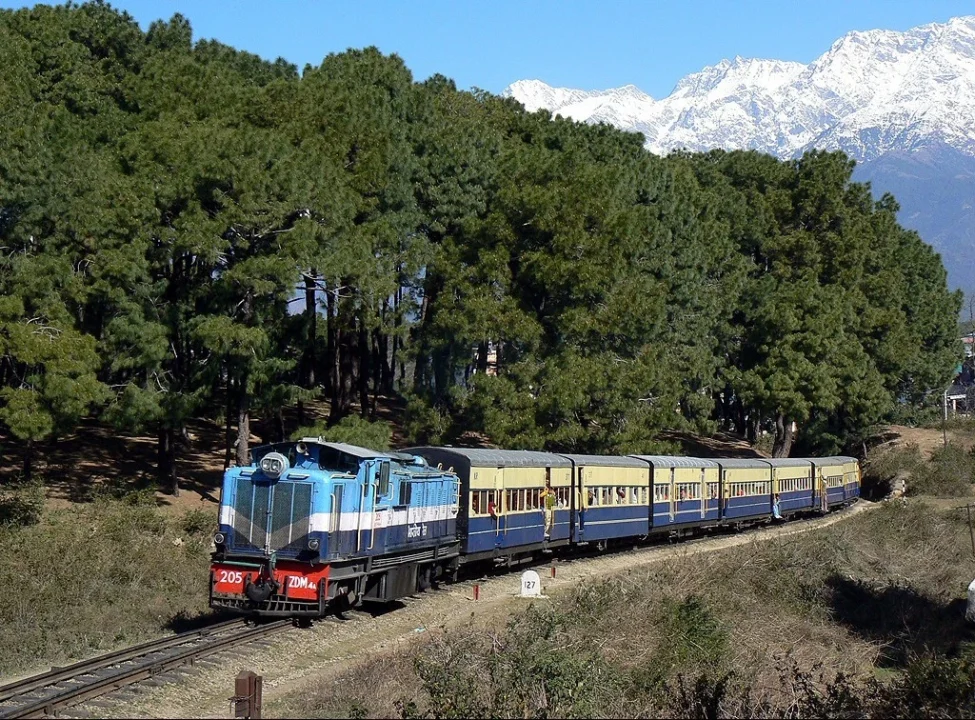
The kangra valley railway is one of India’s most scenic narrow-gauge rail routes, offering panoramic mountain views and rural landscapes. The slow journey allows travelers to experience natural beauty, local villages, and peaceful countryside scenes throughout the ride.
The kangra valley toy train route connects Pathankot to Joginder Nagar, passing through tunnels, bridges, and tea estates. It remains a heritage attraction and a nostalgic experience for travelers interested in slow travel and mountain rail history.
Why travelers love the toy train experience:
- Scenic Himalayan landscapes during the journey
- Affordable travel option for long distances
- Photography opportunities across valleys and forests
- Cultural exposure to rural Himachal life
✅ Highest Mountain of India Explained: Kangchenjunga, K2 Debate & Top Peaks
✅ Explore Winter Wonderland: A Complete Guide to the Best places to visit in Winter Destinations in India
Kangra Valley National Park and Wildlife
The kangra valley national park region supports biodiversity, forest ecosystems, and Himalayan wildlife habitats. Forest belts across the valley provide shelter for birds, deer species, and smaller mammals, creating opportunities for nature observation and eco-tourism.
These forest ecosystems contribute to climate balance and environmental sustainability. Conservation efforts aim to protect biodiversity and promote responsible tourism practices among visitors exploring the natural landscape.
Kangra Valley Carnival and Local Festivals
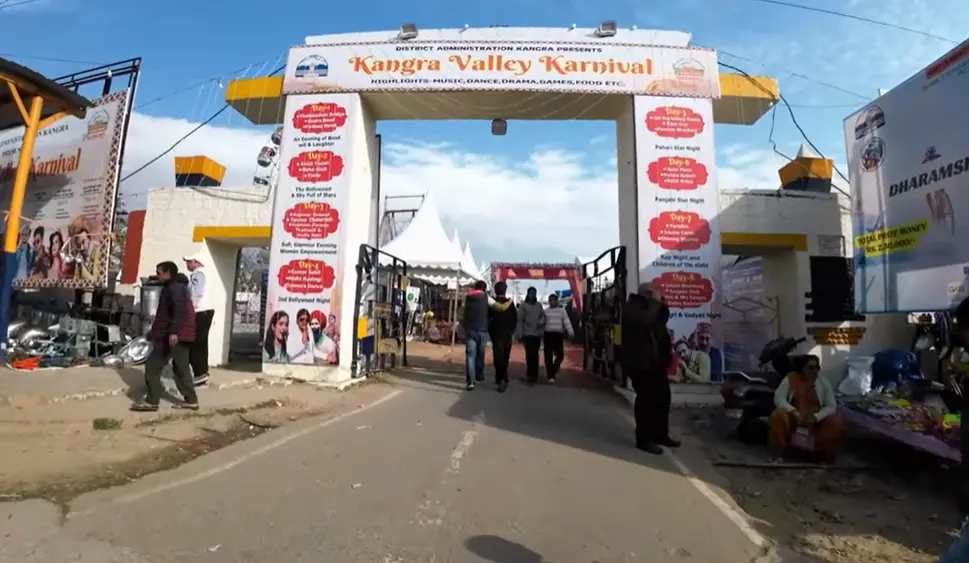
The kangra valley carnival reflects local traditions, art, music, and food culture. Festivals bring communities together and provide travelers with immersive cultural experiences through performances, handicraft exhibitions, and traditional Himachali cuisine.
Such cultural gatherings also promote tourism and local businesses. Visitors experience regional hospitality, traditional attire, and heritage celebrations that highlight the valley’s cultural richness.
Best Time to Visit Kangra Valley
Kangra valley himachal pradesh can be visited year-round, but seasons influence travel experiences significantly. Weather patterns affect sightseeing, trekking, and transportation accessibility across the region.
Ideal seasons for travel:
- Spring (March–May): Pleasant weather and blooming landscapes
- Summer (June–July): Good for sightseeing and toy train rides
- Monsoon (August–September): Green scenery but landslide risks
- Winter (October–February): Cold climate and snow views
Major Attractions in the Region
Travelers explore the valley for temples, tea gardens, and Himalayan viewpoints. The region offers diverse experiences suitable for spiritual seekers, nature lovers, and adventure enthusiasts looking for authentic mountain journeys.
Top places to explore:
- Dharamshala and McLeod Ganj cultural areas
- Palampur tea gardens and scenic landscapes
- Ancient temples and heritage structures
- River valleys and trekking routes
- Village tourism and homestay experiences
Travel Itinerary Ideas
Kangra valley himachal pradesh suits short trips and extended stays depending on travel goals. Planning an itinerary helps travelers explore both famous attractions and hidden locations across the valley.
2–3 day itinerary
- Day 1: Dharamshala sightseeing and monasteries
- Day 2: Palampur tea gardens and toy train ride
- Day 3: Temple visits and local markets
4–5 day itinerary
- Include trekking routes and village experiences
- Explore wildlife and forest areas
- Attend cultural events and food trails
Travel Tips for Visitors
Travel planning improves comfort, safety, and exploration quality. Visitors should prepare for mountain travel conditions, transport limitations, and seasonal weather variations.
Essential travel tips:
- Carry warm clothing throughout the year
- Book toy train tickets in advance
- Choose homestays for authentic experiences
- Follow eco-friendly travel practices
- Check road and weather updates regularly
Accommodation and Food Options
Kangra valley himachal pradesh offers hotels, guesthouses, and homestays suitable for different budgets. Travelers can choose city stays or peaceful village accommodations based on personal preferences and travel style.
Local cuisine features Himachali dishes, tea plantation flavors, and traditional recipes. Food experiences enhance cultural understanding and allow visitors to connect with regional hospitality.
Why Kangra Valley Is Perfect for Slow Travel
The valley encourages relaxed exploration rather than rushed tourism. Scenic views, cultural interactions, and peaceful environments make it ideal for travelers seeking meaningful and mindful journeys.
Slow travel here supports local communities, preserves culture, and reduces environmental impact. Visitors gain deeper experiences through extended stays and local engagement.
Practical Information for Travelers
Travelers often search kangra valley location and route details before planning trips. Accessibility, transport options, and local guidance influence overall travel comfort and planning efficiency.
Key information to know:
- Nearest airport: Gaggal Airport
- Rail access: Pathankot via toy train route
- Road connectivity: Well-connected by buses and taxis
- Local transport: Cabs and shared vehicles
FAQs
1. Where is Kangra Valley located?
Kangra valley himachal pradesh is located in the northern part of Himachal Pradesh, India, surrounded by the Dhauladhar mountain range and connected to towns like Dharamshala, Palampur, and Baijnath.
2. What is the kangra valley railway famous for?
The kangra valley railway is known for its scenic toy train journey through mountains, tea estates, and rural landscapes, offering one of the most peaceful heritage rail experiences in India.
3. Is the valley suitable for family travel?
Yes, the region offers safe environments, cultural experiences, temples, and nature activities suitable for families, couples, and solo travelers seeking calm destinations.
4. What activities can travelers enjoy here?
Visitors can explore temples, ride the toy train, visit tea gardens, attend cultural festivals, trek nearby trails, and experience village tourism.
5. How many days are enough to explore the valley?
A minimum of three days is ideal for major attractions, while five days allow deeper exploration including trekking, cultural experiences, and wildlife visits.