
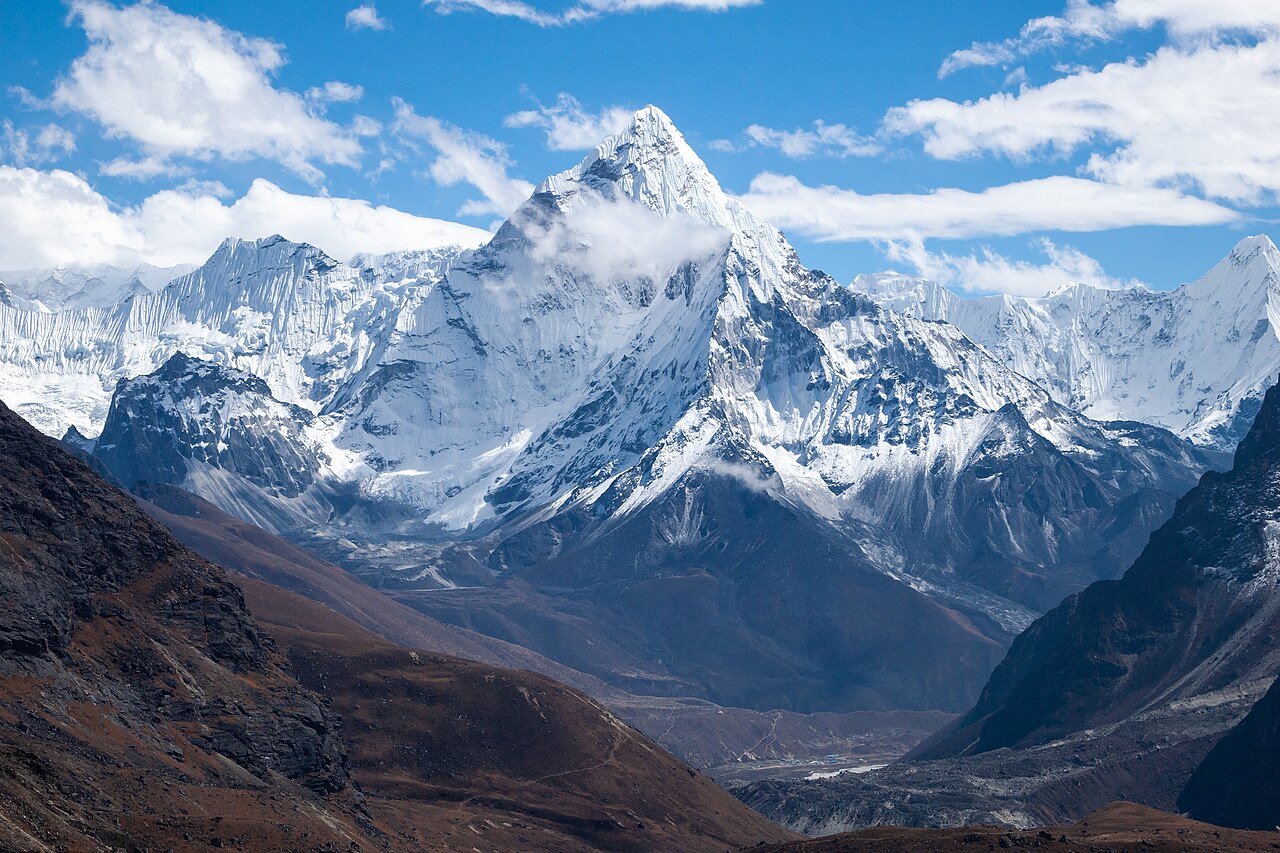
Planning a Himalayan trip but confused where to go? Discover ama dablam mountain travel guide, trekking tips, routes, safety advice, and expert insights to plan a safe, scenic, and unforgettable adventure in Nepal’s Everest region.
Complete Ama Dablam Mountain Guide: Travel Tips, Key Facts and Expedition Knowledge
Ama Dablam mountain is one of the most iconic peaks in the Himalayas, admired for its pyramid shape and breathtaking scenery that attracts trekkers, climbers, photographers, and nature lovers from across the world every year.
Located in Nepal’s Khumbu region, this mountain stands near Everest and offers unmatched natural beauty, deep cultural value, and an adventurous trekking environment that creates unforgettable travel experiences for both beginners and experienced explorers.
Meaning, Location and Cultural Importance
The name ama dablam mountain comes from the Sherpa language, where “Ama” means mother and “Dablam” refers to a traditional pendant, symbolizing a mother protecting her child with open arms across the surrounding valleys.
It lies inside Sagarmatha National Park, a UNESCO World Heritage Site, and remains spiritually significant for local Sherpa communities who consider it sacred and deeply connected with Himalayan traditions and mountain life.
Height, Geography and Formation Theory
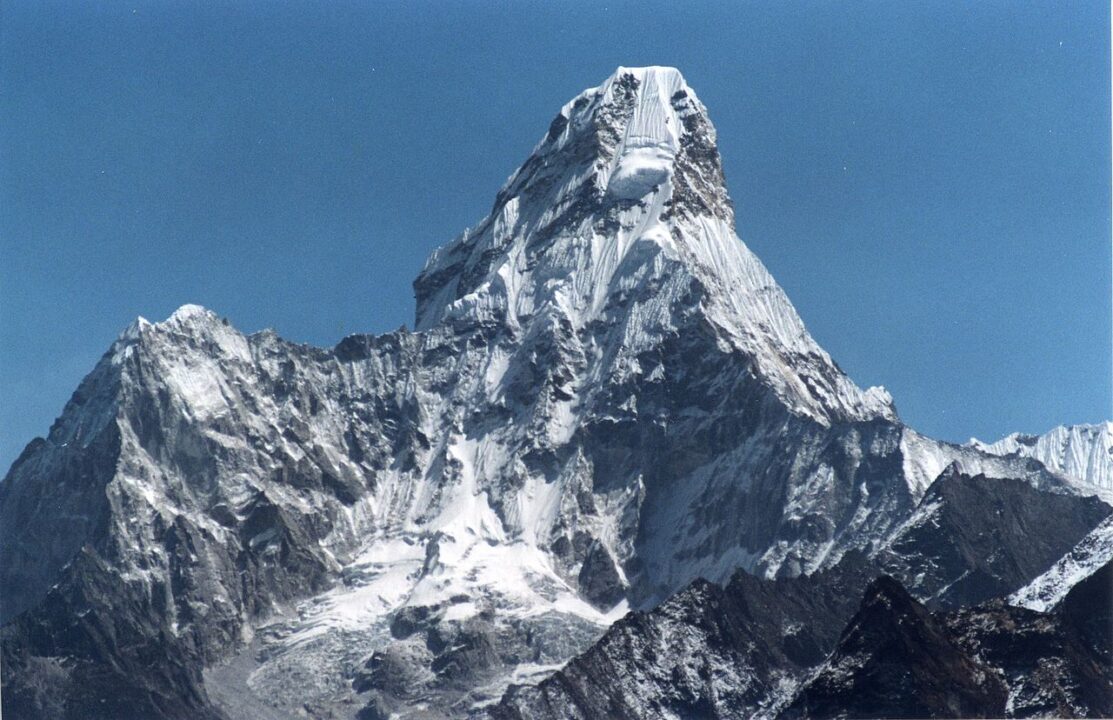
Ama dablam mountain stands at approximately 6,812 meters and is considered one of the most visually stunning peaks due to its steep ridges, hanging glaciers, and dramatic vertical faces formed by tectonic plate movements millions of years ago.
Geologically, the Himalayas were created by the collision of the Indian and Eurasian plates, pushing land upward over time, resulting in sharp peaks, unstable rock structures, and extreme elevation conditions seen across this region today.
Trekking Experience and Base Camp Journey
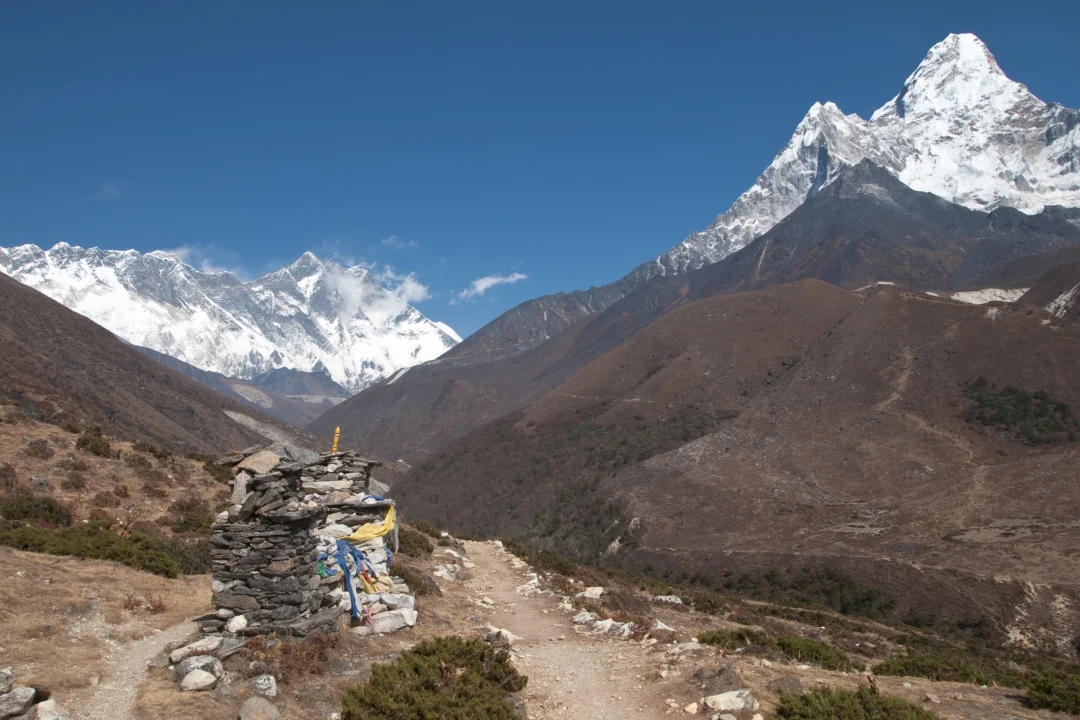
The ama dablam base camp trek is popular among adventure travelers seeking Himalayan views without attempting technical climbing, offering scenic trails, Sherpa villages, suspension bridges, and unforgettable sunrise landscapes along the route.
Trekking routes often connect with Everest region trails, allowing visitors to explore Namche Bazaar, Tengboche Monastery, and alpine valleys while experiencing the unique blend of culture, nature, and adventure within the Himalayan ecosystem.
What travelers experience during the trek:
- High-altitude scenic valleys
- Sherpa hospitality and local culture
- Himalayan wildlife and forests
- Stunning photography landscapes
- Spiritual monasteries and prayer flags
Climbing Difficulty and Expedition Insights
Climbing ama dablam mountain is considered technically challenging due to steep ice walls, rock climbing sections, exposure to extreme weather, and high-altitude risks that require proper mountaineering skills and professional expedition support.
Mountaineers prepare for months before attempting the summit, focusing on endurance, acclimatization, rope techniques, and survival training to handle unpredictable weather, oxygen limitations, and physically demanding terrain during the climb.
✅ Hidden World Under Antarctica: Shocking Discoveries Beneath the Ice That Scientists Can’t Ignore Till 2026
✅ Vasuki Tal Trek: A Breathtaking High-Altitude Lake Journey from Kedarnath
Best Time to Visit for Travelers
The best time to visit ama dablam mountain region is during spring and autumn seasons when weather conditions remain stable, visibility improves, and trekking routes stay safe compared to monsoon rains or extreme winter snowstorms.
Travelers prefer October–November and March–May due to clear skies, moderate temperatures, and scenic Himalayan views that create ideal conditions for trekking, photography, and cultural exploration in the Everest region.
Travel Planning Guide: Permits, Cost & Route
Travelers must obtain permits before entering Sagarmatha National Park, and most journeys begin with a flight from Kathmandu to Lukla followed by trekking routes passing through traditional Sherpa settlements and high-altitude landscapes.
Essential travel planning checklist:
- Sagarmatha National Park permit
- TIMS trekking card
- Lukla flight booking
- Trekking guide or agency support
- Travel insurance for high altitude
Costs vary based on trekking style, accommodation type, and guide services, but planning early helps manage expenses and ensures better safety arrangements for a smoother Himalayan travel experience.
Safety Tips and Preparation Strategy
High altitude, unpredictable weather, and remote locations make preparation essential before visiting ama dablam mountain, especially for trekkers unfamiliar with Himalayan conditions or physical endurance challenges.
Important safety preparation tips:
- Acclimatize gradually to avoid altitude sickness
- Carry thermal clothing and proper trekking shoes
- Stay hydrated and maintain nutrition
- Travel with certified guides
- Monitor weather forecasts regularly
Proper preparation significantly reduces risks and improves overall travel comfort during Himalayan trekking or expedition journeys.
Photography and Scenic Experience
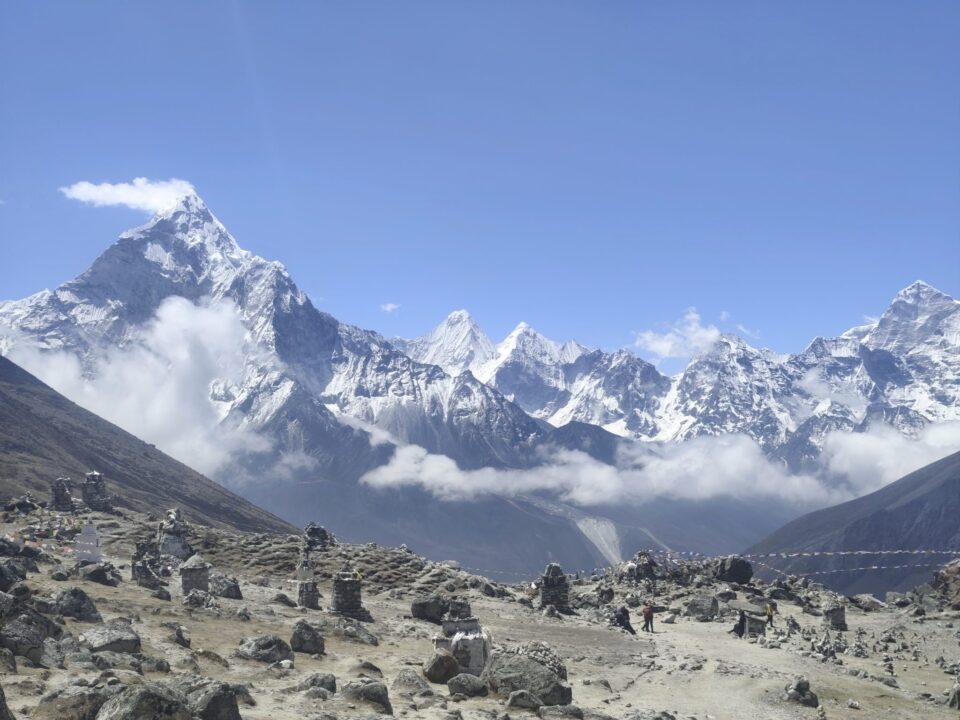
Ama dablam mountain is considered one of the most photogenic peaks in the world due to its symmetrical shape, dramatic lighting conditions, and surrounding valleys that create stunning compositions for landscape and adventure photography enthusiasts.
Sunrise and sunset provide the best photography opportunities as golden light highlights snow ridges, glacier textures, and mountain shadows that enhance depth and visual storytelling for travel photographers and content creators.
Interesting Facts Travelers Should Know
Ama dablam mountain holds a special place among Himalayan peaks not only for beauty but also for its technical reputation and cultural symbolism connected to Sherpa traditions and Everest region exploration history.
Fascinating facts:
- Known as the “Matterhorn of the Himalayas”
- Popular training peak for climbers before Everest
- Visible from many Everest trekking routes
- Considered sacred by local communities
- One of the most photographed Himalayan peaks
Why Travelers Are Attracted to This Destination
Adventure seekers, photographers, spiritual travelers, and trekking enthusiasts visit ama dablam mountain because it combines cultural depth, natural beauty, physical challenge, and emotional connection that create meaningful and unforgettable travel memories.
The mountain represents more than a destination; it reflects Himalayan life, resilience, and the powerful relationship between humans and nature that inspires visitors from all parts of the world.
FAQs
1. Where is ama dablam mountain located?
Ama dablam mountain is located in Nepal’s Khumbu region within Sagarmatha National Park, near Mount Everest and popular trekking routes in the Himalayas.
2. What is the height of ama dablam mountain?
The mountain stands at approximately 6,812 meters above sea level and is considered one of the most beautiful peaks in the Himalayan range.
3. Is climbing ama dablam difficult?
Yes, it is technically challenging due to steep ice walls, rock climbing sections, and extreme weather conditions, making it suitable mainly for experienced mountaineers.
4. Can beginners trek to ama dablam base camp?
Yes, trekkers with basic fitness can reach the base camp through guided trekking routes without attempting technical climbing.
5. What is the best season to visit?
Spring and autumn are ideal due to stable weather, clear visibility, and safer trekking conditions.
6. Why is ama dablam famous?
It is famous for its pyramid shape, cultural symbolism, mountaineering challenge, and scenic location near Everest.
Conclusion
Ama dablam mountain represents a perfect blend of natural beauty, adventure, culture, and geological significance that attracts travelers, trekkers, and climbers looking for a deeper Himalayan experience beyond ordinary tourism destinations.
With proper planning, safety preparation, and respect for local traditions, visiting this iconic Himalayan peak becomes a life-changing journey filled with inspiration, exploration, and unforgettable memories in one of Earth’s most dramatic landscapes.