
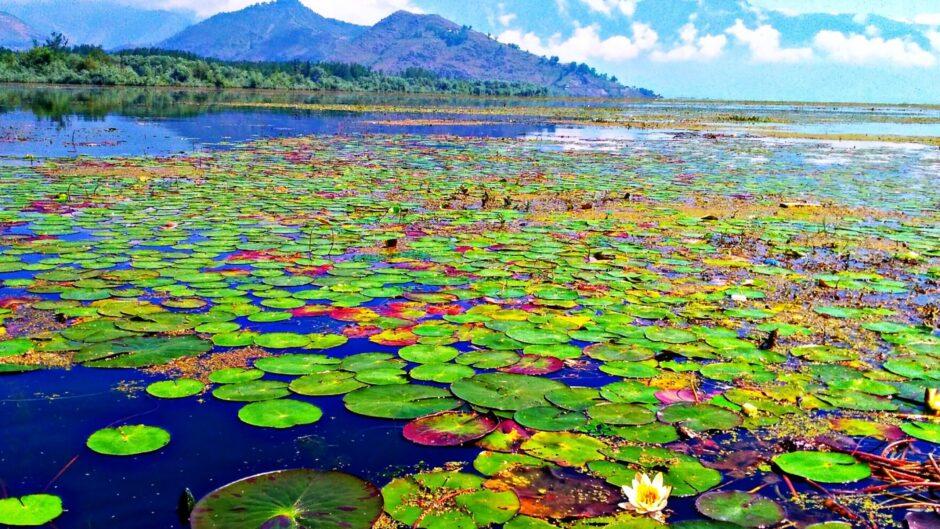
Planning travel but confused about where to go in India? Discover the major lakes of India with real facts, travel guidance, and practical tips so you can plan smarter trips, explore nature deeply, and avoid missing iconic destinations.
Introduction
India’s lakes are not only beautiful travel spots but also important ecological systems supporting wildlife, culture, and tourism. Understanding the major lakes of india helps travelers experience nature, geography, and regional traditions in a meaningful way.
What Makes a Lake “Major”?
A lake becomes significant when it holds geographical size, cultural relevance, ecological value, or tourism importance. The major lakes of india include freshwater and saltwater bodies that influence climate, agriculture, biodiversity, and regional livelihoods.
Types of Lakes Found in India
India has diverse lake systems shaped by glaciers, tectonic activity, rainfall, and coastal changes. These formations create unique ecosystems and tourism destinations across regions, making the major lakes of india geographically fascinating and culturally important.
Main categories include:
- Freshwater lakes
- Saltwater lakes
- Man-made reservoirs
- Glacial lakes
- Coastal lagoons
Top Major Lakes of India With Real Insights
Dal Lake – Jammu & Kashmir

Dal Lake is one of the most iconic water bodies known for houseboats, floating markets, and scenic mountain views. Tourism here blends natural beauty with Kashmiri culture, making it a centerpiece among the major lakes of india.
Wular Lake – Jammu & Kashmir
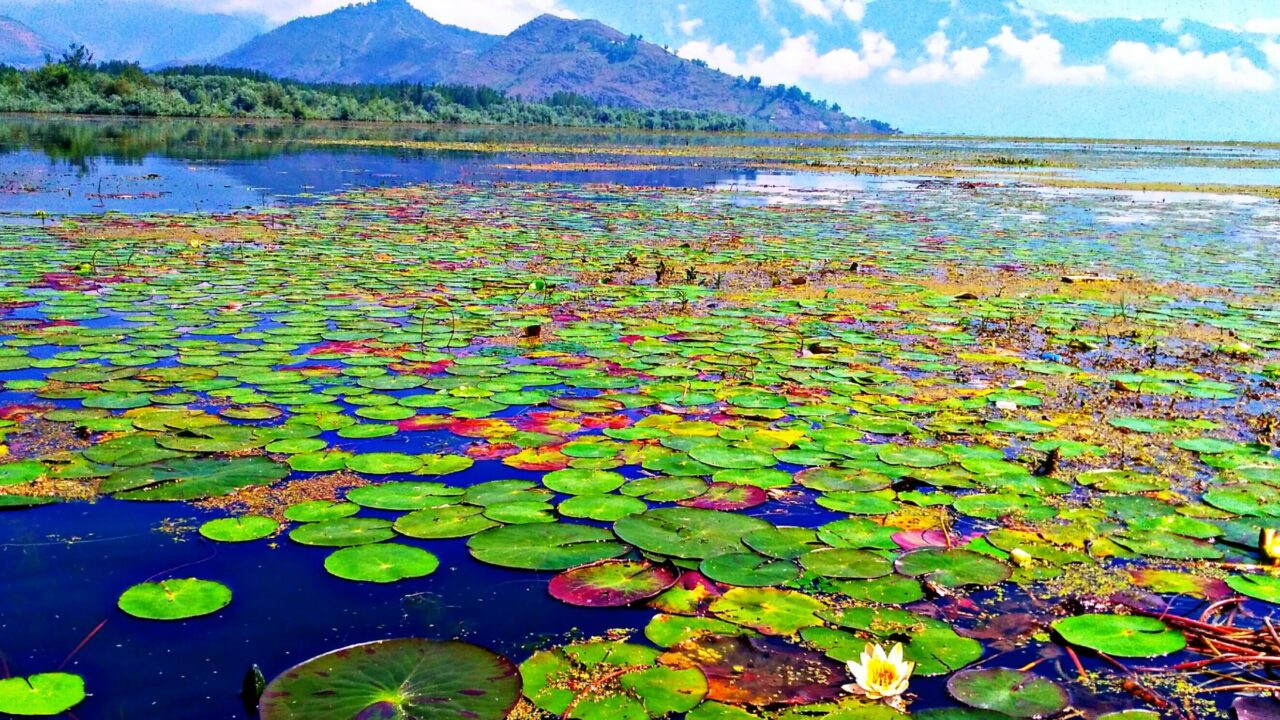
Wular Lake is among the largest freshwater lakes in Asia and plays a key role in flood control and biodiversity. Migratory birds and local fishing communities depend heavily on its ecosystem for survival and livelihoods.
Chilika Lake – Odisha
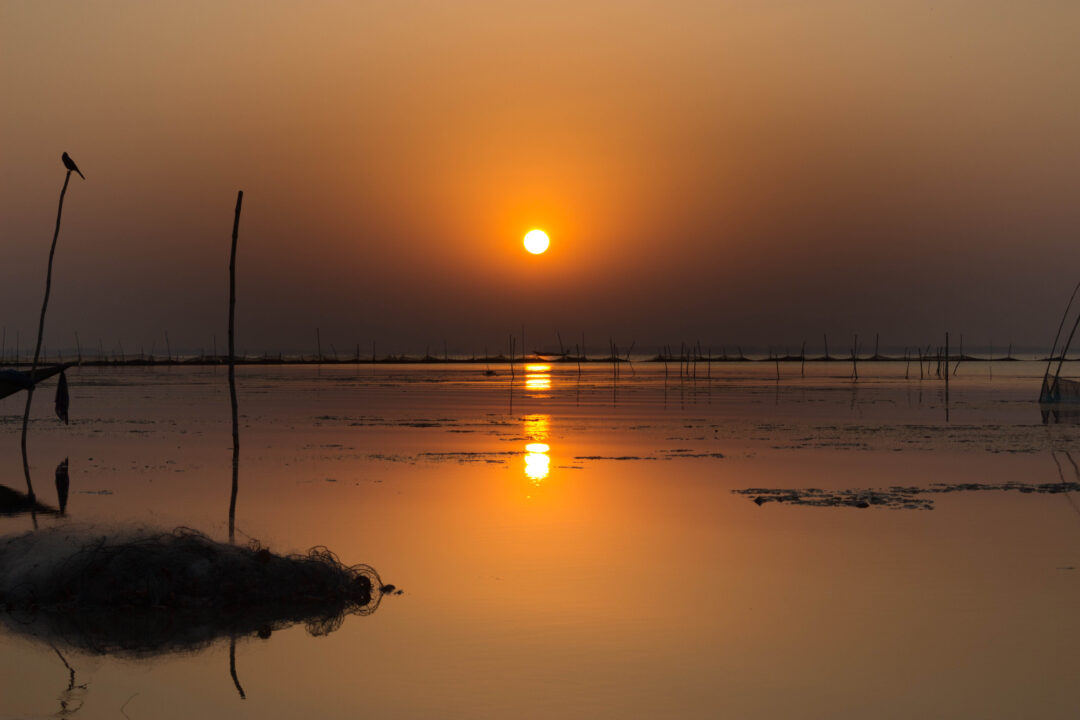
Chilika Lake, the largest coastal lagoon in the country, is a prime spot for people who enjoy observing migratory and native birds in their natural habitat. Its brackish water supports dolphins, migratory birds, and fishing communities, offering ecological richness and unique tourism experiences throughout the year.
✅ 9 Powerful Truths Behind Niagara Falls Frozen, Hidden Risks & Magical Winter Beauty You Must Know!
✅ 10 Jaw-Dropping Nubra Valley Places to Visit That Most Travelers Regret Missing
✅ 7 Shocking Facts About the Chicken Neck Corridor That Connects Northeast India to the Rest of the Country
Vembanad Lake – Kerala
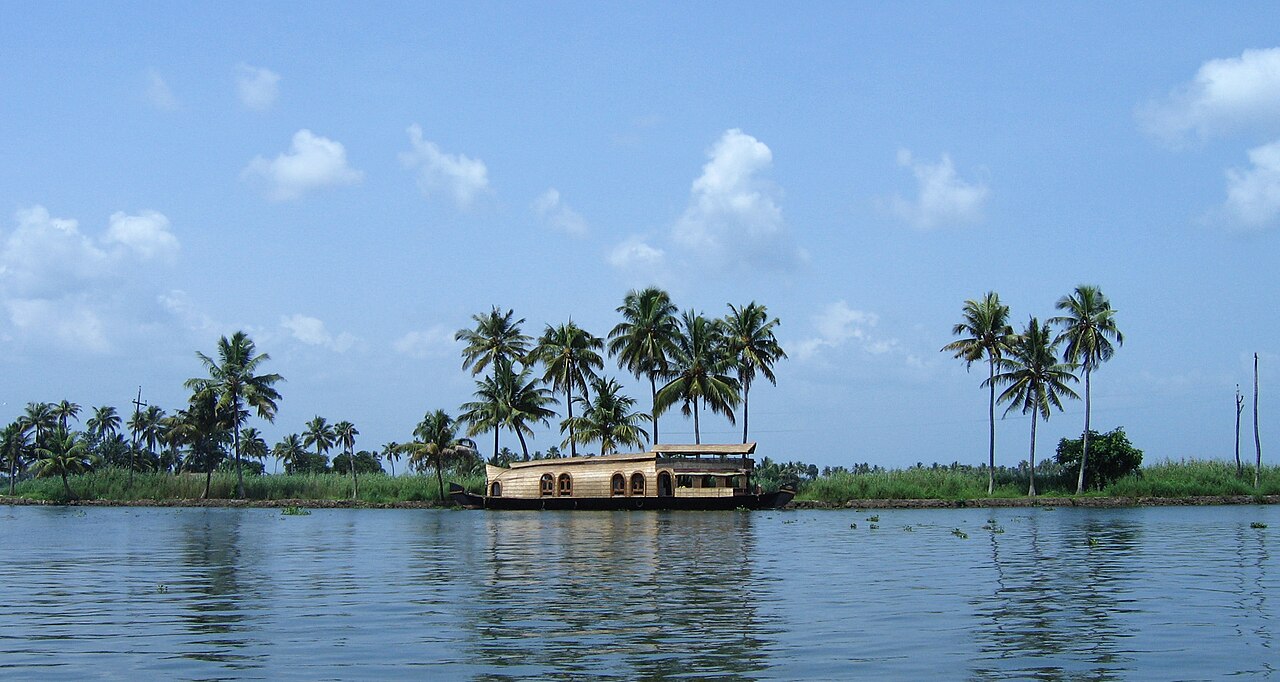
Vembanad Lake is the longest lake in India and forms the heart of Kerala’s backwaters. Houseboat tourism, traditional fishing, and scenic landscapes attract travelers seeking calm experiences in nature.
Sambhar Lake – Rajasthan
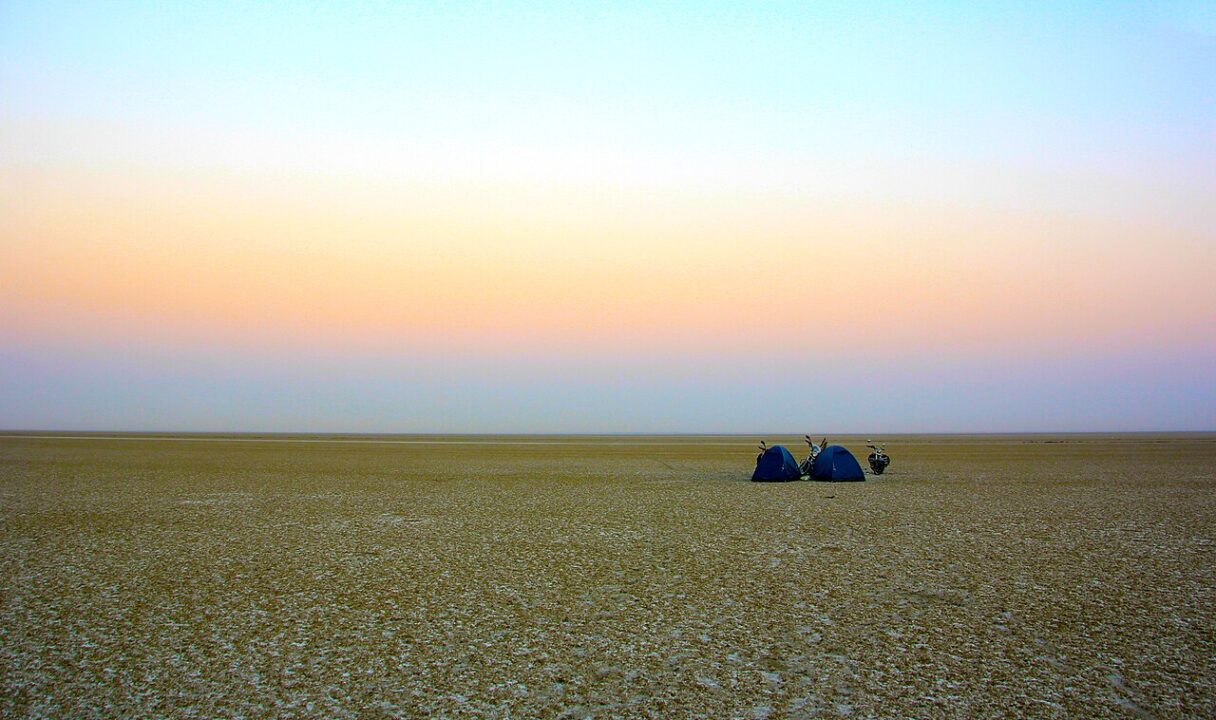
Sambhar Lake is the biggest inland saltwater lake in India and plays an important role as one of the country’s primary salt-producing regions. Flamingo migration and desert surroundings create a unique environment combining industrial importance with scenic beauty.
Pangong Tso – Ladakh
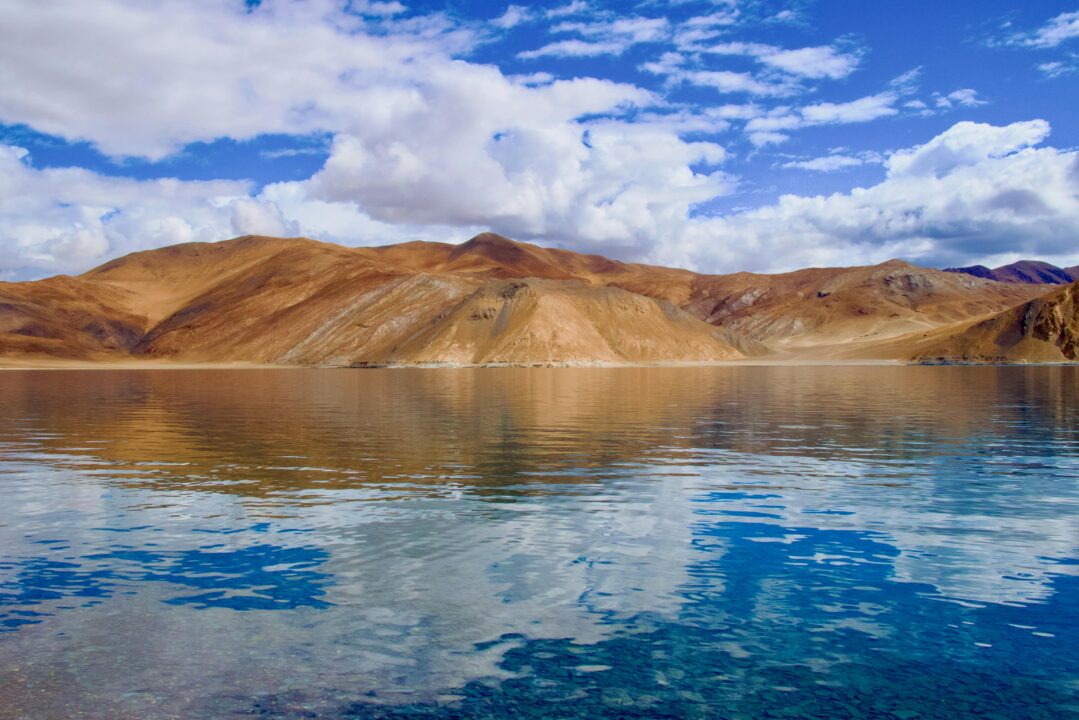
Pangong Tso is a high-altitude lake stretching from India to China, famous for color-changing water. Its cold desert location and dramatic landscapes attract photographers, adventure travelers, and nature enthusiasts.
Loktak Lake – Manipur
Loktak Lake is known for floating islands called “phumdis.” It supports Keibul Lamjao National Park and rare wildlife species, making it ecologically and culturally significant.
Pushkar Lake – Rajasthan
Pushkar Lake holds religious importance and attracts pilgrims during festivals. Surrounding temples, ghats, and cultural events make it both spiritual and tourism-driven.
Nainital Lake – Uttarakhand
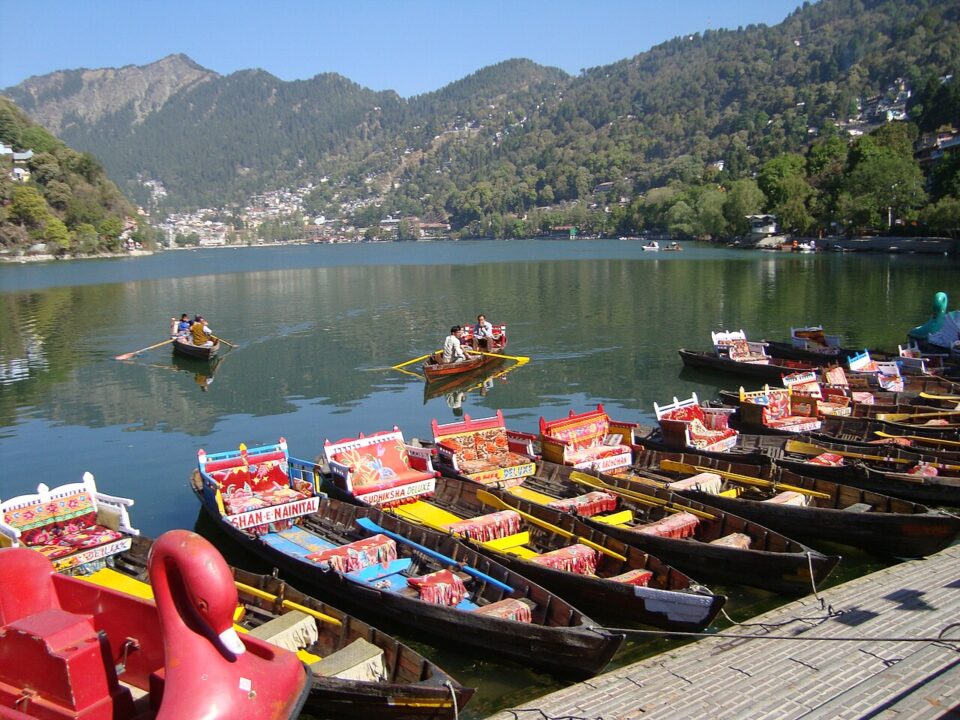
Nainital Lake is surrounded by hills and serves as a major hill station attraction. Boating, trekking, and pleasant weather draw visitors throughout the year.
Hussain Sagar – Telangana
Hussain Sagar connects Hyderabad and Secunderabad and features the famous Buddha statue. Urban tourism, evening views, and boating make it a modern recreational lake destination.
Travel Importance of Major Lakes
Lakes influence tourism, ecology, and culture. The major lakes of india attract travelers for photography, adventure, wildlife observation, and spiritual exploration, providing experiences beyond scenic views.
Travel benefits include:
- Peaceful natural environment
- Cultural exploration opportunities
- Birdwatching and biodiversity
- Adventure activities like boating and trekking
- Regional food and local traditions
Best Time to Visit Lakes in India
Season plays a crucial role in travel planning. The major lakes of india offer different experiences depending on climate, festivals, and wildlife activity.
Ideal travel periods:
- Winter: Best for birdwatching and photography
- Summer: Hill lakes provide cool weather escapes
- Monsoon: Lakes appear full and scenic but require caution
Cultural and Ecological Significance
Lakes support ecosystems, agriculture, and traditions across regions. The major lakes of india preserve biodiversity, water resources, and religious practices while contributing to tourism economies and local livelihoods.
Practical Travel Tips for Visitors
Travel planning improves safety and experiences when visiting lake destinations.
Useful tips:
- Check weather and altitude conditions before traveling
- Respect local culture and religious practices
- Avoid plastic and protect water bodies
- Choose eco-friendly boating options
- Carry essential travel gear for remote locations
Why Travelers Should Explore Indian Lakes
Lakes provide relaxation, adventure, and cultural exposure in one place. The major lakes of india combine natural beauty, spiritual importance, and travel accessibility, making them perfect for photographers, families, and solo travelers alike.
FAQs – Frequently Asked Questions
1. Which is the largest lake in India?
Vembanad Lake is the longest lake, while Chilika is the largest coastal lagoon. Wular Lake is among the biggest freshwater lakes.
2. Which lake is famous for tourism in India?
Dal Lake, Pangong Tso, Nainital Lake, and Vembanad Lake are widely popular tourist destinations.
3. Are Indian lakes natural or man-made?
India has both natural lakes formed by glaciers and tectonics, and artificial lakes built for irrigation and water supply.
4. Which lake is best for birdwatching?
Chilika Lake and Sambhar Lake attract migratory birds, making them ideal for wildlife photography.
5. What is the best season to visit lakes in India?
Winter and early summer provide the best weather and visibility for travel.
1 thought on “10 Stunning Major Lakes of India You Must See Once – Hidden Truths, Travel Tips & Must-Know Facts”