
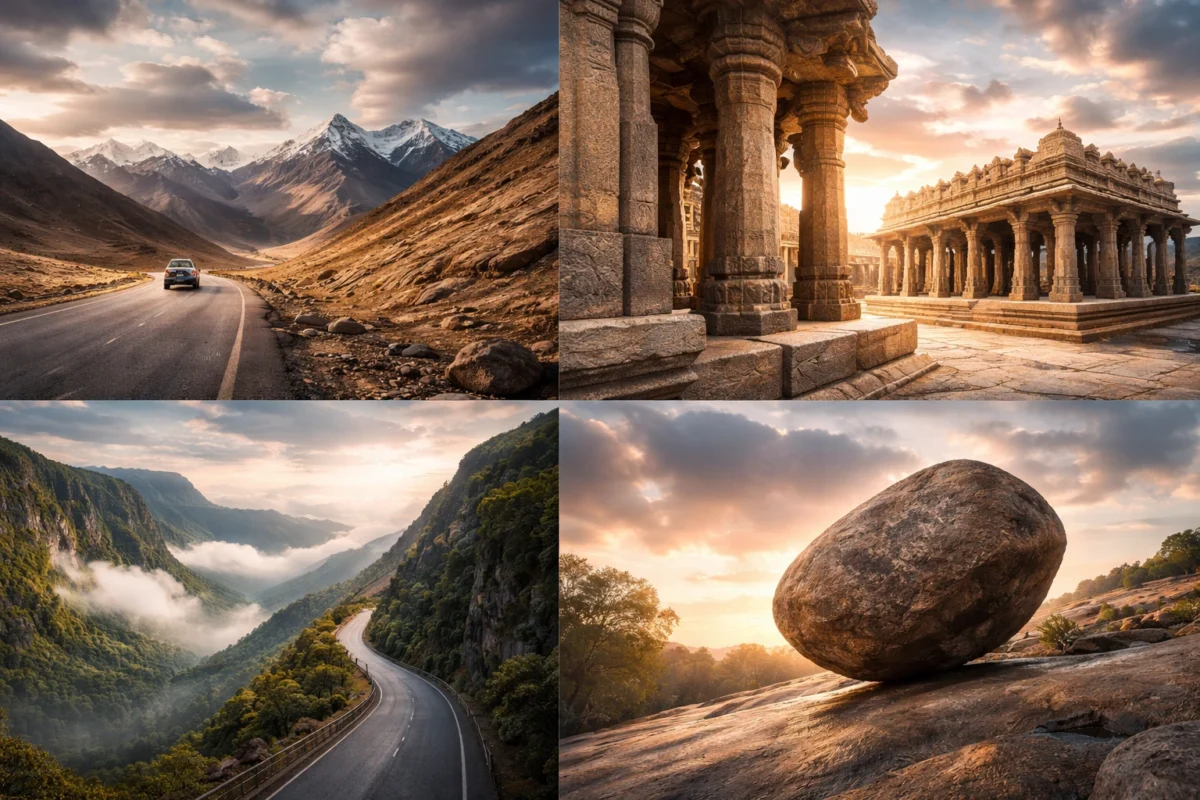
Explore the most fascinating anti gravity places in India with real science, travel tips, routes, myths, and facts. Discover Magnetic Hill, Lepakshi, Naneghat and more in this complete traveler-friendly guide.
Anti Gravity Places in India – Science, Mystery & Travel Guide
India is full of geographical wonders, spiritual beliefs, and unexplained natural phenomena that attract travelers and researchers. Among them, certain locations appear to defy gravity, creating illusions where vehicles roll uphill or objects remain suspended against scientific expectations.
These sites combine physics, geography, and human perception, offering both mystery and explanation. Travelers visit these places not only for curiosity but also to witness how landscapes and optical illusions challenge normal understanding of motion, slope, and natural forces.
This guide explains theory, facts, myths, and travel planning details to help readers explore confidently. Every destination discussed here provides real value through knowledge, travel insights, safety tips, and scientific reasoning.
What Are Anti-Gravity Phenomena? (Theory Explained)
The idea behind anti gravity places in India is not actual reversal of Earth’s gravitational force but an optical illusion created by terrain. Surrounding slopes, horizon misalignment, and visual references make downhill roads appear like uphill paths.
Human perception relies on visual alignment with the horizon to judge slope direction. When landscapes distort that alignment, our brain misinterprets depth and gradient, creating the illusion that objects roll upward instead of downward.
In many such places, hidden slopes and gravitational pull remain normal. However, uneven terrain, magnetic minerals, and landscape orientation trick the eyes, making the location appear scientifically unusual and mysterious.
Why These Places Attract Travelers
Travelers search for unique experiences that combine curiosity, adventure, and storytelling. Locations associated with unexplained phenomena generate excitement, social media interest, and memorable experiences beyond traditional sightseeing.
These destinations offer:
- Rare geological formations
- Scientific curiosity mixed with mythology
- Viral travel experiences
- Adventure road trips
- Cultural and historical storytelling
Such places appeal to both science lovers and spiritual travelers, creating a balanced attraction for different types of tourists.
Famous Anti Gravity Places in India
1. Magnetic Hill, Ladakh
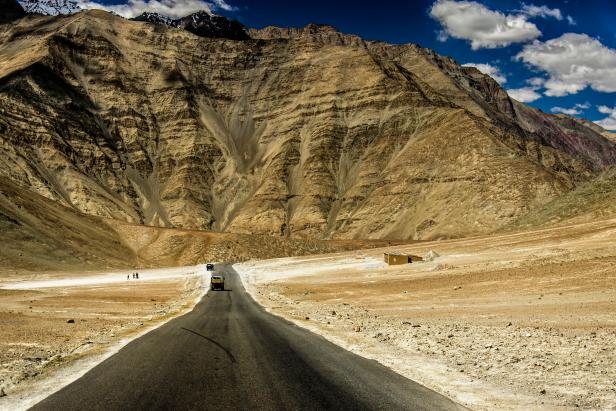
Magnetic Hill is one of the most famous illusion spots where vehicles appear to move uphill without engine power. Located near Leh on the Srinagar-Leh highway, it attracts road-trip travelers, bikers, and science enthusiasts.
The phenomenon happens due to surrounding mountain slopes that distort perception. The road is actually downhill, but the landscape makes it appear uphill, creating the illusion of anti-gravity motion.
Traveler Tips:
- Best time: May to September
- Carry oxygen support for high altitude
- Combine visit with Leh, Pangong Lake, Nubra Valley
- Stay hydrated due to altitude
2. Lepakshi Temple, Andhra Pradesh
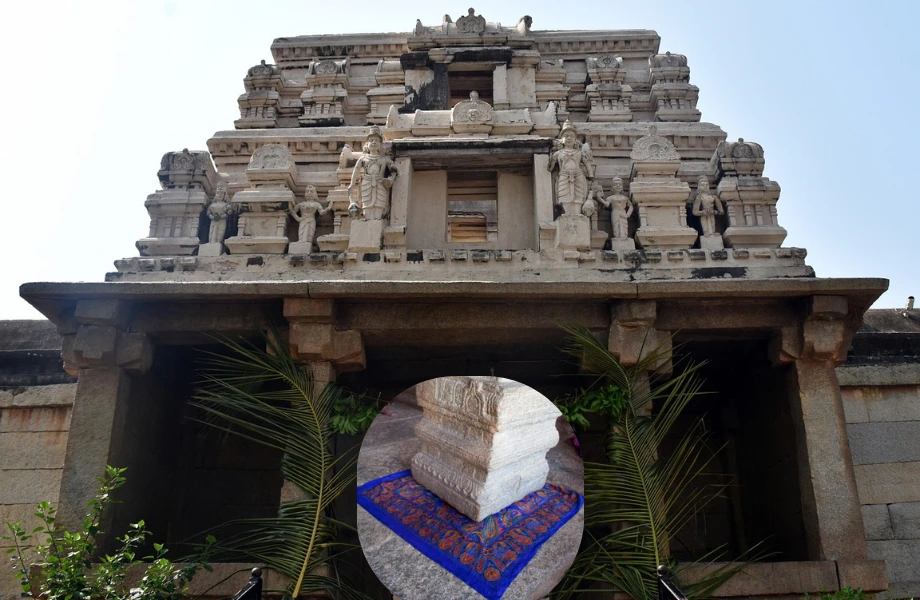
Lepakshi Temple is famous for its hanging pillar that appears suspended without touching the ground. Visitors slide cloth under the pillar to observe the unusual gap, which fascinates travelers and researchers.
Experts believe advanced architectural balancing techniques and precise weight distribution allow this structure to remain stable. It reflects ancient engineering knowledge rather than supernatural force.
Travel Information:
- Located near Hindupur
- Ideal for cultural and heritage trips
- Combine with Bangalore road travel
3. Naneghat, Maharashtra
Naneghat is a mountain pass in the Western Ghats where certain road segments create a slope illusion. Vehicles appear to roll backward uphill when parked in neutral, surprising travelers visiting the region.
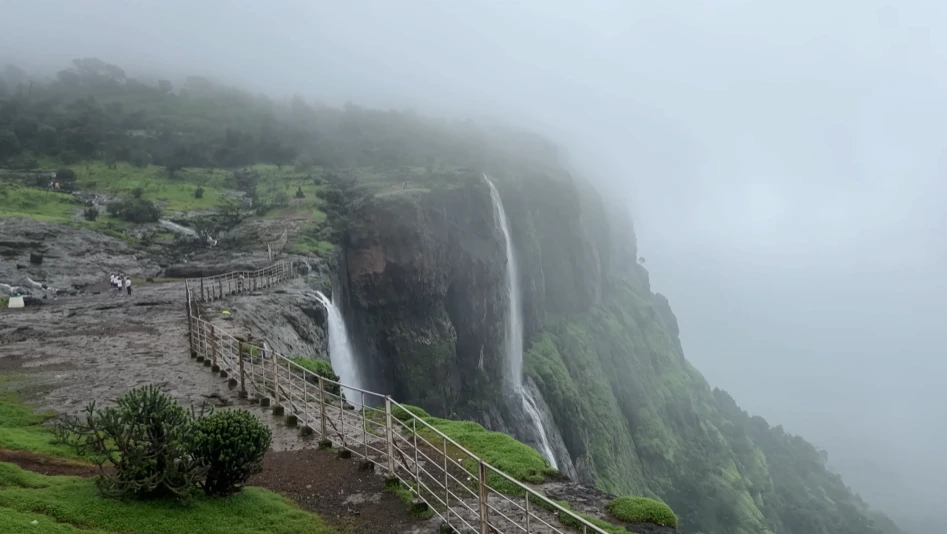
The illusion occurs due to uneven surrounding ridges and misaligned horizon views. Fog, terrain patterns, and visual cues contribute to the experience, especially during monsoon and winter seasons.
Travel Tips:
- Best time: June to February
- Popular for trekking and photography
- Carry rain protection during monsoon
✅ 9 Powerful Truths Behind Niagara Falls Frozen, Hidden Risks & Magical Winter Beauty You Must Know!
✅ The Anjikuni Lake Mystery: How an Entire Village Disappeared Without a Trace
4. Krishna’s Butterball, Tamil Nadu

Krishna’s Butterball is a massive natural rock in Mahabalipuram balancing on a slope without rolling down. The giant boulder has remained stable for centuries despite weather changes and human attempts to move it.
Geologists explain that rock weight distribution and friction keep it stable. The slope appears steep, but structural balance prevents movement, creating a visual anti-gravity impression.
Traveler Tips:
- Combine with Shore Temple visit
- Ideal for sunrise photography
- UNESCO heritage destination
5. Kasara Ghat Reverse Slope, Maharashtra
Kasara Ghat on the Mumbai–Nashik highway has a few stretches where parked vehicles appear to roll upward when released in neutral. Travelers often stop to test the illusion and experience the unusual road behavior.
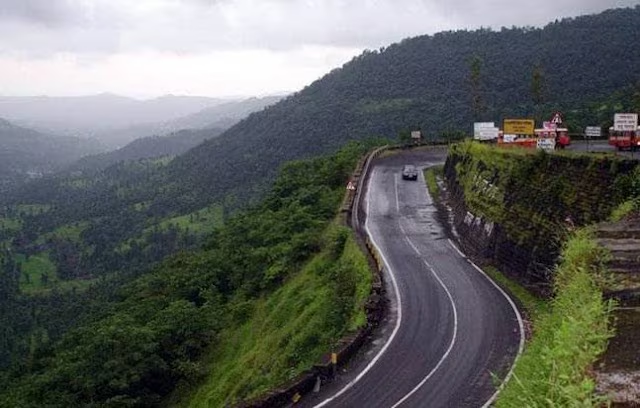
This happens because surrounding hill gradients and tree lines distort slope perception. The road actually slopes downward, but the landscape tricks the eye, making motion appear opposite to gravity.
Traveler Tips:
- Located on Mumbai–Nashik highway
- Best during winter and monsoon
- Avoid stopping in heavy traffic zones
- Popular among road-trip travelers
6. Tulsishyam Gravity Hill, Gujarat
Near the Gir forest region, Tulsishyam is known for a road stretch where vehicles seem to move uphill on their own. The location attracts tourists interested in unusual natural phenomena and spiritual travel experiences.
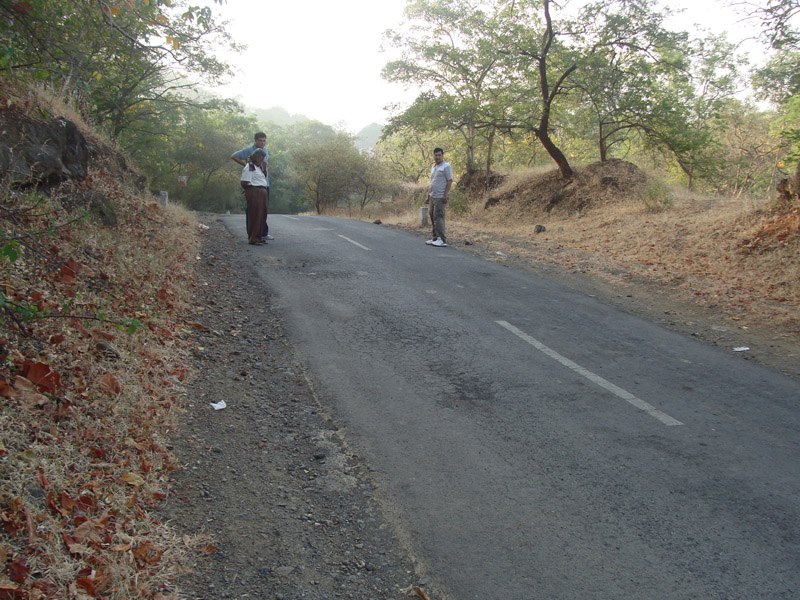
Experts believe the illusion forms due to landscape alignment and lack of a clear horizon reference. The brain misjudges elevation, creating the feeling of anti-gravity motion on the road.
Travel Information:
- Located near Gir National Park
- Combine visit with wildlife tourism
- Best time: November to February
- Good for family trips
7. Kodaikanal Gravity Hill, Tamil Nadu
A lesser-known location near Kodaikanal features a road segment where objects appear to roll upward. Misty weather and dense forest surroundings enhance the illusion, making it popular among curious travelers.
The illusion is caused by terrain orientation and optical depth confusion. Without visible horizon lines, the brain misinterprets the slope direction, creating a sense of reverse gravitational pull.
Traveler Tips:
- Combine with Kodaikanal hill station tour
- Visit early morning for best visibility
- Ideal for photography and exploration
- Roads may be slippery during monsoon
Scientific Reasons Behind These Anti Gravity Places in India
Understanding the logic behind such sites removes fear and increases appreciation for nature’s complexity. These locations demonstrate how perception and environment shape human understanding of motion and balance.
Main reasons include:
- Optical illusion due to terrain shape
- Magnetic minerals in soil (rare cases)
- Horizon misalignment
- Geological formations
- Visual depth perception errors
Scientists confirm gravity behaves normally at these locations. The mystery lies in perception, not in physical law reversal.
Travel Planning Guide for Visitors
Travelers planning trips to such destinations should prepare for terrain, weather, and accessibility. Many of these sites are located in remote regions, requiring proper planning for safety and comfort.
Important planning points:
- Check road conditions before travel
- Carry water and snacks
- Respect local culture and beliefs
- Avoid risky experiments on roads
- Visit during daylight for visibility
Photography enthusiasts and content creators find these places ideal for storytelling and unique visuals.
Cultural and Mythological Connections
Local communities often associate these places with divine power, legends, or spiritual energy. These beliefs increase tourism interest and add emotional depth to the travel experience.
Stories surrounding these locations create curiosity, attracting pilgrims, historians, and explorers. Cultural interpretation often coexists with scientific explanation, making the journey both educational and meaningful.
Essential Tips for First-Time Visitors
Before exploring these locations, travelers should understand safety and expectations. Illusion-based experiences can be exciting but must be approached responsibly without risking personal safety.
Helpful tips:
- Follow local instructions
- Avoid blocking highways
- Travel with companions in remote areas
- Carry first-aid kit
- Respect natural environment
Final Thoughts
India offers countless wonders where science, nature, and culture meet in fascinating ways. These destinations prove that perception can be as powerful as reality, creating experiences that challenge understanding while inspiring curiosity and exploration.
Exploring anti gravity places in India provides more than a travel story. It offers learning, visual adventure, and insight into how human perception interacts with geography, engineering, and tradition across different regions of the country.
Travelers who visit these locations gain both knowledge and memorable experiences that combine mystery, science, and culture into one meaningful journey.
FAQs
1. What causes anti-gravity illusions?
These illusions occur due to terrain slope, horizon misalignment, and visual depth confusion, not because gravity changes.
2. Is Magnetic Hill scientifically proven?
Yes, studies show it is an optical illusion created by surrounding mountain formations and road slope orientation.
3. Are these places safe to visit?
Yes, but travelers must avoid stopping vehicles in unsafe areas and follow road safety guidelines.
4. Which is the best anti gravity places in India for road trips?
Magnetic Hill in Ladakh and Naneghat in Maharashtra are popular for road-trip experiences.
5. Is Lepakshi Temple pillar supernatural?
Experts believe it is a result of advanced architectural engineering and structural balance.
6. Can Krishna’s Butterball fall?
Geologists confirm it remains stable due to weight distribution, friction, and rock structure.
7. Best time to visit these anti gravity places in India?
Summer and winter are ideal depending on region; Ladakh is best in summer, while southern and western sites are suitable year-round.
8. Are there more such places in India?
Yes, several lesser-known locations exist, often linked to geography and visual illusions.