
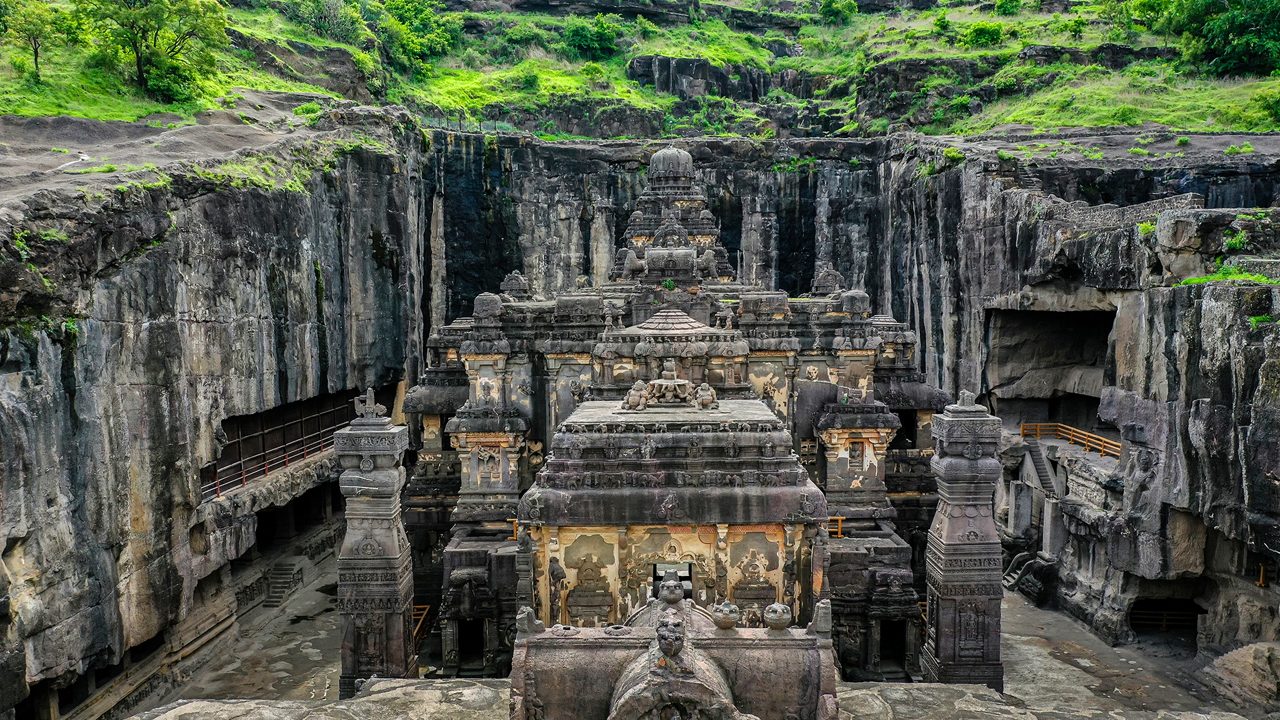
The Ajanta Ellora Caves UNESCO India represent one of the finest examples of ancient rock-cut architecture in the world. Located in Maharashtra, these caves reflect India’s deep spiritual roots, artistic excellence, and architectural intelligence developed over centuries.
Recognized as a UNESCO World Heritage Site, Ajanta and Ellora together attract historians, travelers, students, and UPSC aspirants. Their stories go beyond tourism and open a window into India’s religious harmony, ancient craftsmanship, and cultural evolution.
Ajanta Ellora Caves History
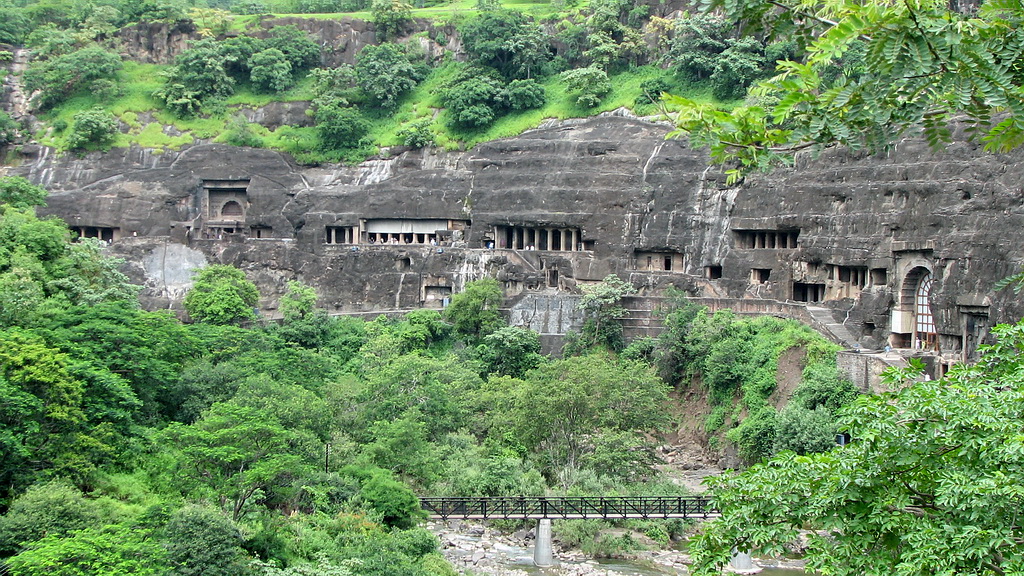
The Ajanta Ellora Caves history spans nearly a thousand years. Ajanta caves were created first, between the 2nd century BCE and the 6th century CE, mainly during the rule of the Satavahana and Vakataka dynasties.
Ellora caves were built later, between the 6th and 10th centuries CE, under the patronage of rulers like the Chalukyas and Rashtrakutas. Together, they narrate a long timeline of artistic and religious development in ancient India.
Ajanta Ellora Caves UNESCO India – Global Recognition
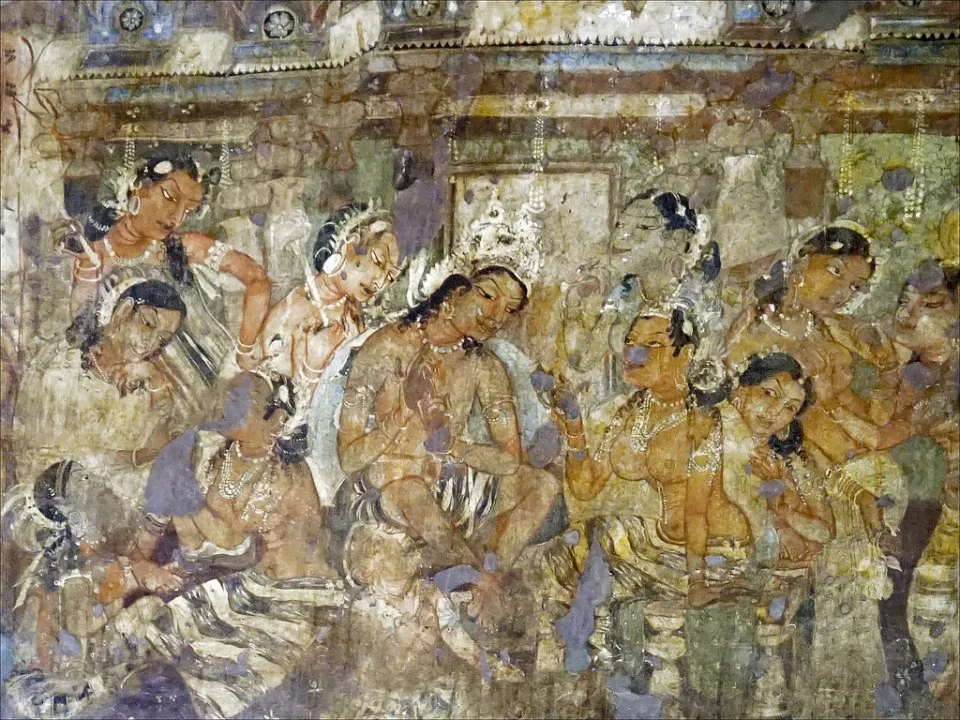
UNESCO declared the Ajanta and Ellora caves a World Heritage Site in 1983 due to their outstanding universal value. These caves preserve rare ancient paintings, sculptures, and temples that have survived natural and human challenges for centuries.
For Ajanta Ellora caves UNESCO India UPSC preparation, this recognition highlights India’s contribution to global heritage and makes the site important from cultural, historical, and international perspectives.
Ajanta Ellora Caves Built By – Dynasties and Patrons
Many students search for Ajanta Ellora Caves built by, but the answer is not a single ruler. Ajanta caves were mainly patronized by Buddhist monks, merchants, and Vakataka kings like Harisena.
Ellora caves received support from Hindu, Buddhist, and Jain rulers, especially the Rashtrakuta dynasty. This multi-dynasty contribution explains the diversity of styles and religious symbols found across the caves.
✅The Ultimate Guide to the Best Places to Visit in Shillong: Exploring the Scotland of the East (2026)
✅Top 8 Hidden Places in India You Must Visit in 2026 – Discover Untouched Beauty
Ajanta Caves – The Heart of Buddhist Art
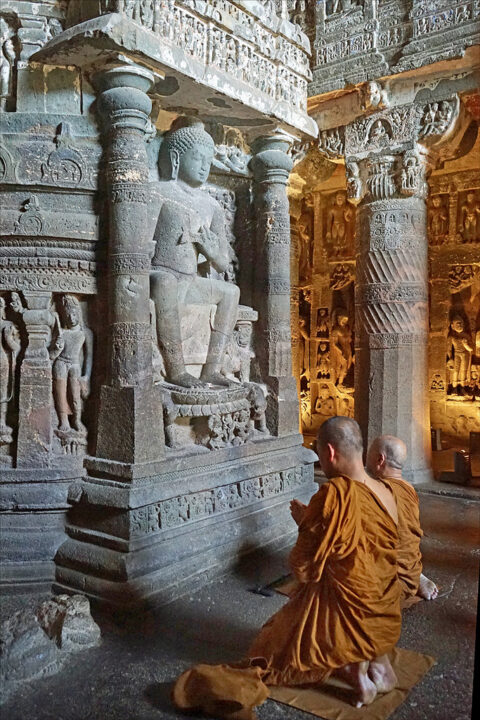
Ajanta consists of 30 caves, all dedicated to Buddhism. These caves include chaityas (prayer halls) and viharas (monasteries), carved into a horseshoe-shaped cliff overlooking the Waghora River.
What makes Ajanta special is its ancient wall paintings. The Ajanta caves photos often show Jataka tales, Buddha’s life scenes, and royal court imagery, painted using natural pigments that still retain depth and emotion.
Ellora Caves – Symbol of Religious Harmony
Ellora is unique because it represents three major religions in one complex. Out of 34 caves, 17 are Hindu, 12 are Buddhist, and 5 are Jain. This coexistence reflects India’s long tradition of religious tolerance.
The most famous structure is the Kailasa Temple (Cave 16), a massive monolithic temple carved from a single rock, considered one of the greatest engineering achievements of ancient India.
Architectural Brilliance of Ajanta and Ellora
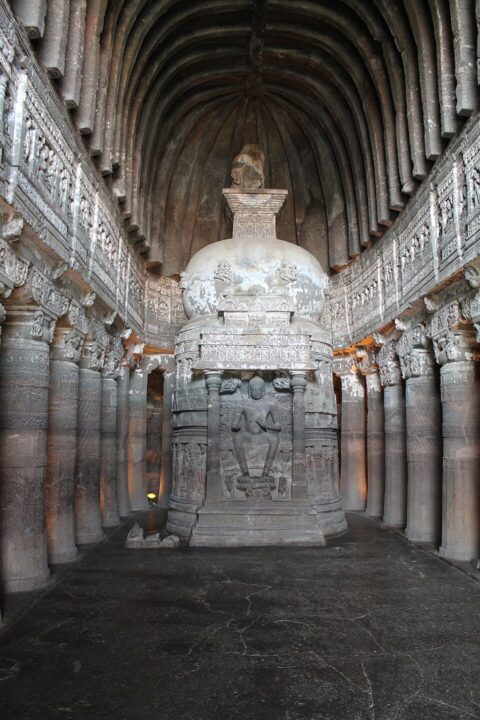
The architecture of the Ajanta Ellora Caves UNESCO India showcases advanced knowledge of geology, symmetry, and spatial planning. Craftsmen carved these caves from top to bottom, without modern tools or machinery.
Intricate pillars, detailed sculptures, painted ceilings, and perfectly aligned sanctums demonstrate how art and engineering worked together. The scale and precision continue to amaze architects and historians worldwide.
Ajanta Ellora Caves in Indian Art and Culture
Ajanta paintings influenced later Indian art forms, including temple murals and miniature paintings. Facial expressions, storytelling techniques, and use of perspective were far ahead of their time.
Ellora’s sculptures, especially of Shiva, Vishnu, and Jain Tirthankaras, represent the evolution of Indian iconography. Together, these caves shaped India’s cultural identity and artistic traditions.
Ajanta Ellora Caves UNESCO India Essay Perspective
From an Ajanta Ellora caves UNESCO India essay viewpoint, these caves are not just monuments but cultural documents. They provide insights into ancient education systems, trade networks, royal patronage, and daily life.
For students, essays on this topic score well because the caves connect art, religion, history, and international heritage status in a single narrative.
Importance for UPSC and Competitive Exams
The Ajanta Ellora caves UNESCO India UPSC relevance is extremely high. Questions often appear in Prelims and Mains under ancient history, art and culture, and world heritage topics.
Understanding timelines, dynasties, architectural styles, and UNESCO significance helps aspirants answer both objective and analytical questions confidently.
Best Time to Visit Ajanta and Ellora Caves
The ideal time to visit is between October and March, when the weather remains pleasant. Summers can be extremely hot, while monsoon makes the surrounding landscape greener but slippery.
Early morning visits offer softer light for photography, especially for those interested in capturing authentic Ajanta caves photos without crowds.
Conservation and Preservation Efforts
Due to their age and fragile paintings, entry inside certain Ajanta caves is restricted. Artificial lighting and photography controls are used to protect pigments from fading.
UNESCO, ASI, and the Indian government continuously work to balance tourism with conservation, ensuring future generations can experience these wonders.
Why Ajanta Ellora Caves Still Matter Today
The Ajanta and Ellora caves remind us that art can survive centuries when created with devotion and vision. They prove that ancient India valued creativity, spiritual expression, and coexistence.
In today’s fast-changing world, the Ajanta Ellora Caves UNESCO India stand as silent teachers of patience, craftsmanship, and cultural unity.
Conclusion
The Ajanta and Ellora caves are not merely tourist attractions; they are living chapters of Indian history carved in stone. Their UNESCO status confirms their global importance and timeless appeal.
Whether studied for exams, admired through photographs, or explored in person, these caves continue to inspire curiosity, respect, and wonder across generations.
1 thought on “12 Powerful Reasons Why Ajanta Ellora Caves UNESCO India Are Still India’s Greatest Rock-Cut Wonders in 2026”