
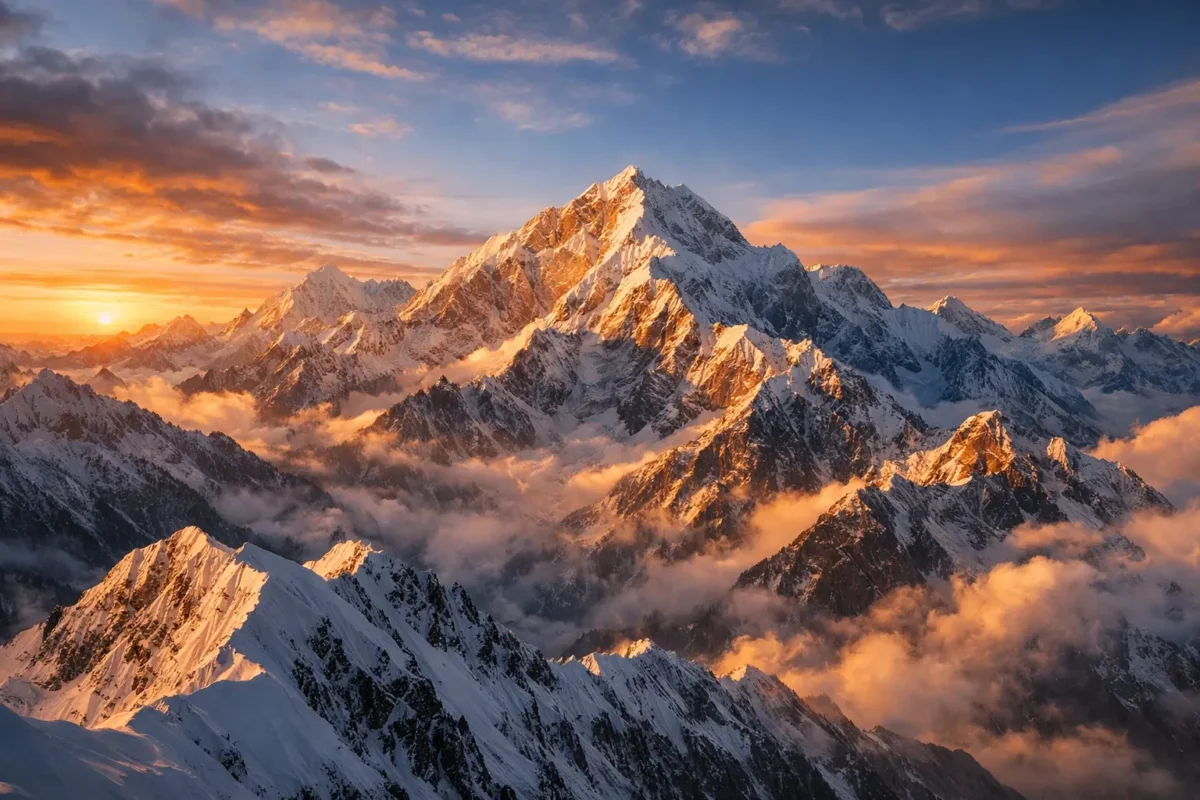
What is the highest mountain of India? Discover Kangchenjunga, the K2 vs Nanga Parbat debate, second highest mountain of India, and top Indian peaks with clear explanations and facts.
India is home to some of the most powerful landscapes on Earth, but nothing defines its northern frontier more than its towering mountains. When people search for the highest mountain of India, they often encounter confusion due to political boundaries and global rankings.
The Himalayas and Karakoram ranges together host many of the planet’s tallest peaks. To understand which mountain truly ranks highest in India, it is important to look at geography, administration, and international recognition, not just elevation numbers.
Which Is the Highest Mountain of India?
The officially recognized highest mountain of India is Kangchenjunga, rising to an astonishing height of 8,586 meters. It is located on the border of India’s Sikkim state and Nepal, forming part of the eastern Himalayan range.
Kangchenjunga is accepted by the Government of India as the country’s highest point. It stands not only as a physical landmark but also as a deeply spiritual symbol for the people of Sikkim, who regard it as a sacred guardian mountain.
Why Kangchenjunga Holds the Top Position
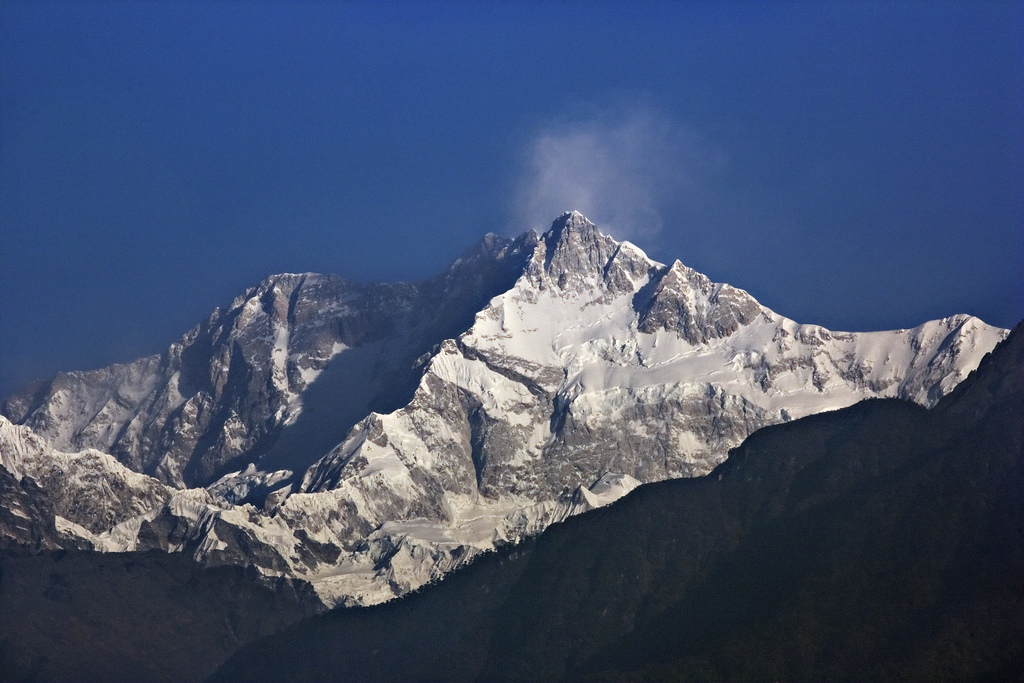
Kangchenjunga’s significance goes far beyond height. The mountain’s name means “The Five Treasures of Snow,” representing five peaks believed to store divine gifts such as grain, gold, sacred texts, silver, and precious stones.
Climbers traditionally stop short of the true summit out of respect for local beliefs. This rare tradition has helped preserve the mountain’s sanctity, making Kangchenjunga unique among the world’s great Himalayan giants.
Is K2 Higher Than Kangchenjunga?
A common question is whether K2 surpasses Kangchenjunga in height. In pure altitude terms, K2 is higher, standing at 8,611 meters, making it the second highest peak in the world, just below Mount Everest.
However, K2 lies in the Gilgit-Baltistan region, which is currently under Pakistan’s administration. Due to this political reality, K2 is not officially counted as the highest mountain of India, despite India’s territorial claim.
Which Is Highest: K2 or Nanga Parbat?
Many readers also ask, “which is highest; K2 or Nanga Parbat?” The answer is clear when comparing elevations. K2, at 8,611 meters, is significantly taller than Nanga Parbat, which rises to 8,126 meters.
Despite being lower, Nanga Parbat is infamous for its steep vertical rise and extreme danger. It is often called the “Killer Mountain” due to its high fatality rate among climbers.
The Second Highest Mountain of India
When considering mountains fully inside India’s undisputed borders, Nanda Devi earns the title of the second highest mountain of India, standing at 7,816 meters in Uttarakhand.
Nanda Devi is surrounded by a ring of dramatic peaks forming the Nanda Devi Sanctuary. This region is so ecologically fragile that it has been declared a UNESCO World Heritage Site, and the main summit remains closed to protect its environment.
The Journey of River Ganga: From Himalayan Ice to the Bay of Bengal
Vietnam Solo Travel Guide 2025: The Ultimate, Safe & Budget-Friendly Adventure
Which Is the 3 Highest Peak in India?
The question “which is the 3 highest peak in India?” leads us to Kamet, a massive Himalayan summit reaching 7,756 meters. It is located in the Garhwal region of Uttarakhand, close to the Tibet border.
Kamet is known for its pyramid-like structure and historical significance. It was among the earliest 7,500-meter peaks successfully climbed, making it a landmark in the history of Indian mountaineering.
Understanding the Highest Peak in World vs India
The highest peak in world is Mount Everest, rising to 8,849 meters, and it lies on the Nepal-Tibet border. Although Everest dominates global rankings, it is not located within Indian territory.
This distinction often causes confusion. While India does not host the world’s highest mountain, it is home to Kangchenjunga, which remains one of the tallest and most culturally significant peaks on Earth.
Why Indian Mountain Rankings Can Be Confusing
Mountain rankings in India are influenced by geography and geopolitics. Peaks like K2 are taller but located in disputed regions, while others like Kangchenjunga and Nanda Devi fall within clearly administered Indian territory.
For educational exams and official references, Kangchenjunga is consistently listed as the highest mountain of India. This practical approach helps maintain clarity for students, travelers, and researchers.
Top 5 Highest Mountains of India
India’s tallest mountains are concentrated in the Himalayas and Karakoram ranges. These peaks shape the climate, rivers, and ecosystems of the entire subcontinent while standing as symbols of endurance and natural power.
Kangchenjunga leads the list, followed by Nanda Devi and Kamet. Peaks like Saltoro Kangri and Saser Kangri in Ladakh also rank among India’s highest, though they receive less public attention.
Why These Mountains Matter Beyond Height
The highest mountain of India and its neighboring peaks are vital water sources for millions of people. Himalayan glaciers feed major rivers such as the Ganga, Brahmaputra, and Indus, sustaining agriculture and life across South Asia.
Beyond geography, these mountains influence Indian culture, mythology, and spirituality. Many peaks are worshipped as deities, reflecting a deep respect for nature that continues to shape local traditions today.
| Rank | Mountain Name | Height (Meters) | Location | Key Fact |
|---|---|---|---|---|
| 1 | Kangchenjunga | 8,586 m | Sikkim (India–Nepal Border) | Highest mountain of India |
| 2 | Nanda Devi | 7,816 m | Uttarakhand | Highest peak fully inside India |
| 3 | Kamet | 7,756 m | Uttarakhand | Third highest peak in India |
| 4 | Saltoro Kangri | 7,742 m | Ladakh (Saltoro Range) | Major Karakoram peak in India |
| 5 | Saser Kangri | 7,672 m | Ladakh | One of the highest peaks in Ladakh |
FAQs About the Highest Mountain in India
1. What is the highest mountain of India?
The highest mountain of India is Kangchenjunga, with a height of 8,586 meters. It is located on the border between Sikkim (India) and Nepal and is officially recognized by the Government of India as the country’s tallest peak.
2. Why is Kangchenjunga considered the highest mountain of India and not K2?
Although K2 is taller than Kangchenjunga, K2 lies in the Gilgit-Baltistan region under Pakistan’s administration. Since Kangchenjunga is within India’s administered territory, it is officially counted as the highest mountain of India.
3. Which is highest; K2 or Nanga Parbat?
K2 is higher than Nanga Parbat. K2 stands at 8,611 meters, while Nanga Parbat has a height of 8,126 meters. Both are extremely dangerous mountains, but K2 is the taller of the two.
4. What is the second highest mountain of India?
The second highest mountain of India is Nanda Devi, with an elevation of 7,816 meters. It is located entirely within Uttarakhand and is the highest peak completely inside India’s undisputed borders.
5. Which is the 3 highest peak in India?
The third highest peak in India is Kamet, standing at 7,756 meters. It is located in the Garhwal Himalayas of Uttarakhand, near the India–Tibet border.
6. Is Mount Everest the highest mountain of India?
No, Mount Everest is the highest peak in the world, but it is located on the Nepal–Tibet border. It is not part of Indian territory, so it is not counted as the highest mountain of India.
7. Why is Nanda Devi closed for climbing?
Nanda Devi is closed to climbers to protect its fragile ecosystem. The surrounding Nanda Devi Sanctuary is a UNESCO World Heritage Site, and strict conservation rules are in place to preserve its natural environment.
8. Why do climbers not step on the true summit of Kangchenjunga?
Climbers traditionally stop just short of Kangchenjunga’s summit to respect local religious beliefs. The peak is considered sacred, and leaving the summit untouched preserves its spiritual purity.
Final Thoughts on the Highest Mountain of India
Understanding the highest mountain of India is not just about memorizing numbers. It is about geography, culture, politics, and the relationship between humans and nature.
Kangchenjunga stands as India’s tallest and most revered peak, while debates around K2 and Nanga Parbat add depth to the topic. Together, these giants remind us of India’s extraordinary natural heritage and enduring mountain legacy.
3 thoughts on “Highest Mountain of India Explained: Kangchenjunga, K2 Debate & Top Peaks”